

How Long Does a Roof Replacement Take? A Step-by-Step Timeline
Quick Answer: The actual work of replacing an average asphalt shingle roof takes 1 to 3 days, and many typical single-family roofs are done in a single day when the weather cooperates. Larger, steeper, or more complex roofs, or premium materials like slate or metal, run 3 to 5 days or more. But there is a difference between the install and the whole project: once you factor in scheduling, permits, material delivery, and weather, the full timeline from signed contract to final cleanup is usually closer to 2 to 3 weeks.
At Best Way Roofing, we have replaced roofs across Wolcott, Waterbury, and Central Connecticut since 2012, and as a GAF Master Elite contractor and 2026 President's Club winner, our crews replace most standard roofs in a day without cutting the steps that matter. Here is exactly what happens, day by day, and what makes one roof faster than another.
Install Time vs. Total Project Time
The most common source of confusion is that "how long does it take" has two answers. There is the hands-on install, measured in days, and the full project, measured in weeks. Both are worth understanding so nothing surprises you.
Mixing these up is why some homeowners expect a two-week project and others expect a two-hour one. Neither is quite right.
The Install: Usually 1 to 3 Days
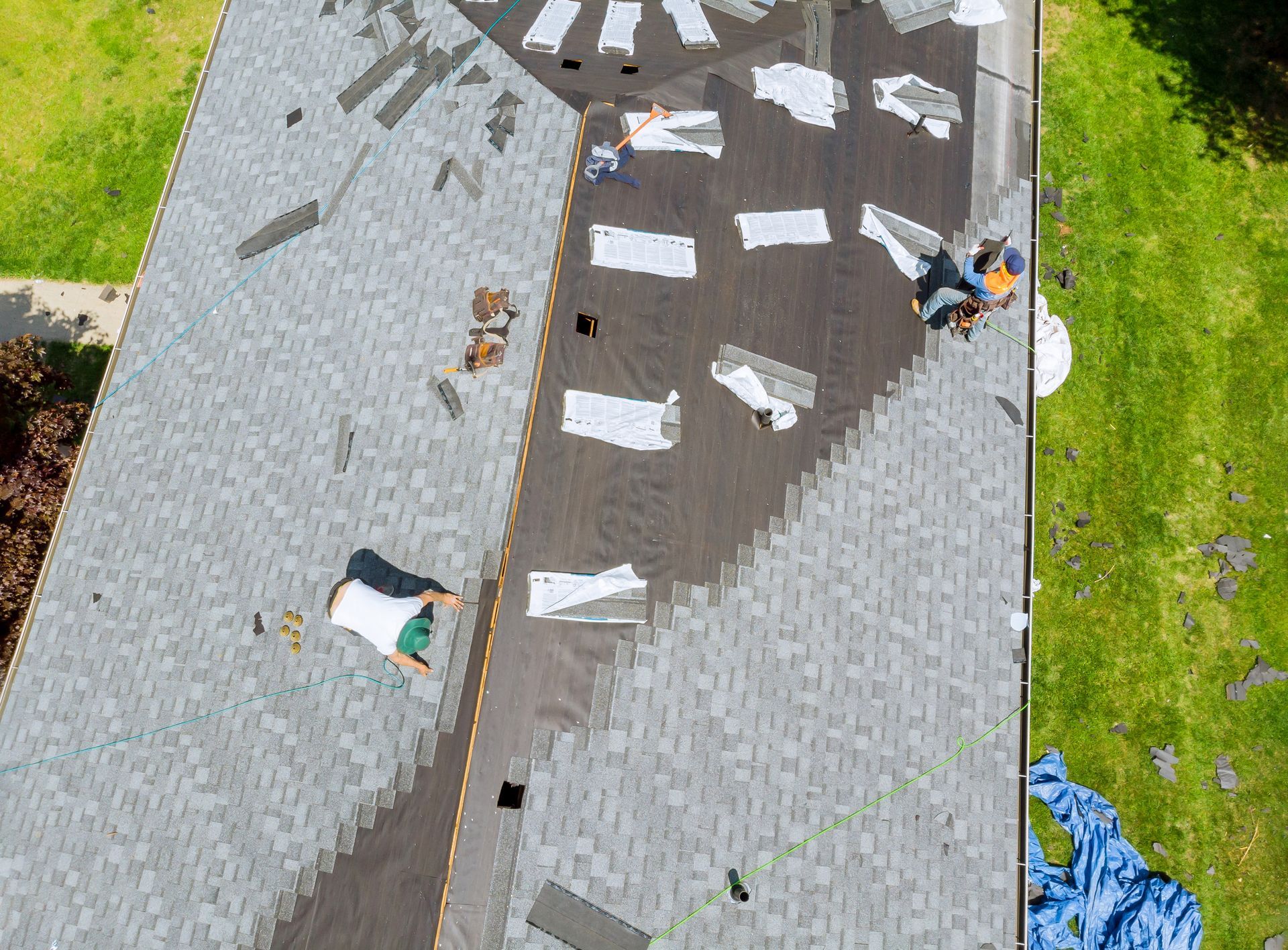
The tear-off and installation for a typical asphalt shingle roof is fast. On an average single-family home with a straightforward roofline and cooperative weather, a well-staffed crew often finishes in one day. Larger or more complex roofs stretch that to two or three days, and premium materials take longer. The table further down breaks this out by roof type.
The Project: Usually 2 to 3 Weeks
The calendar timeline is longer than the labor. From the day you sign, there is scheduling into the crew's queue, pulling the town permit, ordering and delivering materials, and building in weather flexibility. None of that is delay in a bad sense; it is the normal runway of a well-run job. Knowing the project spans a couple of weeks, even though the roof itself goes on in a day or two, keeps expectations realistic. If you are still weighing the investment, our breakdown of
new roof cost factors and our
roof replacement services explain what goes into both the price and the plan.
The Step-by-Step Timeline
Once the crew arrives, a roof replacement follows a clear sequence. Understanding it makes a loud, busy day on your property feel a lot less chaotic, because you know what each stage is for.
Here is the order the work actually happens in on a standard asphalt shingle replacement:
- Delivery and prep: Materials and a dumpster arrive the day before or early on day one, and the crew protects your landscaping, siding, and windows before anything comes off
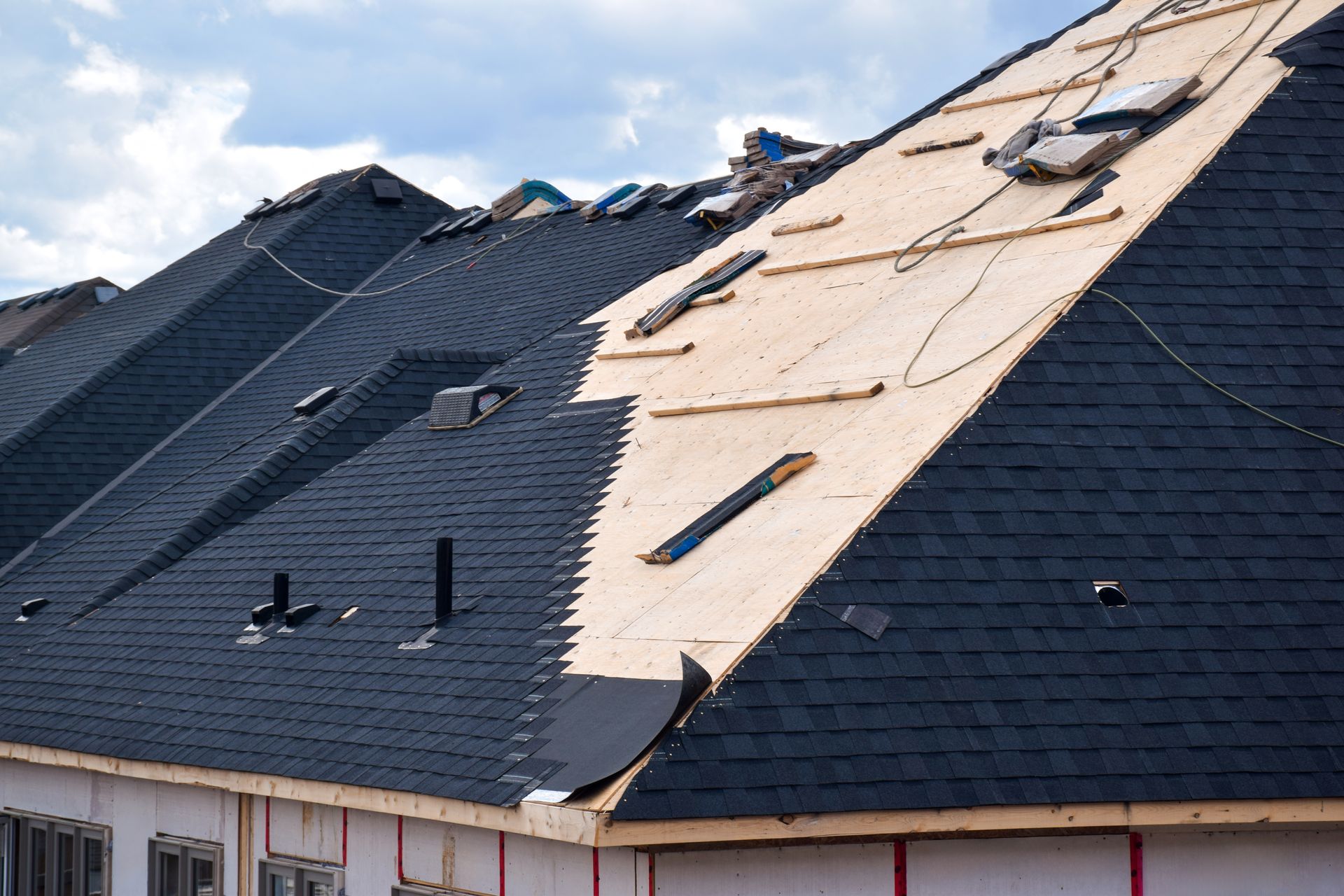
- Tear-off: The old roof is stripped down to the wood decking and hauled into the dumpster, the loudest part of the day
- Deck inspection and repair: With the roof bare, the crew checks the decking for rot or water damage and replaces any bad sections before going further
- Underlayment and ice-and-water shield: A protective underlayment goes down, with ice-and-water shield at the eaves and valleys, which matters a great deal in our climate
- Flashing and details: Flashing is installed or replaced around chimneys, valleys, vents, and pipe boots, the spots where leaks usually start
- Shingle installation: The new shingles go on from the eaves up, followed by ridge caps
- Ventilation: Ridge vents or other venting are set to keep the attic breathing and help prevent future ice dams
- Cleanup and final walkthrough: The crew runs magnetic sweepers for stray nails, clears debris, and walks the finished roof with you
The Hidden Step That Moves the Timeline
Step three is the one homeowners never see coming. Decking damage is invisible until the old roof is off, so a quality roofer inspects and, if needed, replaces rotted decking rather than shingling over a soft spot. It can add hours or a day, but skipping it is exactly the corner-cutting that voids warranties and shortens a new roof's life. A thorough evaluation before the project, like the one in our
roof inspection checklist, helps the crew anticipate hidden issues and quote an accurate timeline.
What Makes a Roof Take Longer
If two homes on the same street get very different timelines, these are the reasons. Most of them come down to how much roof there is and how complicated it is to work on.
Knowing the drivers helps you understand the window your roofer quotes and why a walkthrough estimate beats a generic number.
| Roof Type | Typical Install Time | Why |
|---|---|---|
| Simple single-story asphalt | 1 to 2 days | Small area, easy access, one layer |
| Larger or steep, multiple valleys | 2 to 3 days | More surface, detailed flashing work |
| Multiple existing layers or decking repair | 3+ days | Longer tear-off and rebuild |
| Premium material (metal, tile, slate) | 4 days to weeks | Specialized, slower installation |
The Biggest Variables
Beyond the roof type, a handful of factors move the timeline in either direction:
- Roof size and pitch: More surface area and steeper slopes mean more labor and slower, safer work
- Complexity: Valleys, dormers, skylights, and multiple chimneys all add detailed flashing time
- Existing layers: Tearing off two or three old layers takes far longer than one
- Hidden decking damage: The unknown that only appears after tear-off
- Crew size and weather: A larger, experienced crew moves faster; rain or snow pauses the job
The Connecticut Weather Factor
Weather shapes both when your roof gets done and how long it takes, and in Connecticut that is a real scheduling factor, not a footnote. Roofers do not install shingles in rain or snow, both for safety and because shingles need the right conditions to seal properly.
This is why timing your project matters as much as the crew you hire.
Why Fall Is Prime Season
Fall is the busiest roofing season here for a reason: mild, dry days are ideal for tear-off and for shingles to seal before winter. That popularity also means booking ahead, since the best crews fill up fast in autumn. Replacing before winter also gets ice-and-water protection in place ahead of ice dam season, part of the seasonal thinking we lay out in our fall roof maintenance checklist.
Winter and Off-Season Work
Roofs can be replaced in colder months, but the process slows down, since shingles need to be handled carefully and may need hand-sealing in cold temperatures. If your roof is failing, waiting is riskier than the season, but if it can hold, scheduling around the weather keeps the job smooth. Not sure whether yours can wait? Our guide on
how long a roof lasts helps you gauge where yours stands.
How to Prepare Your Home
A little preparation keeps the job on schedule and protects your property. None of it is difficult, and a good roofer will tell you what they need ahead of time.
Handling these before the crew arrives means no lost time on day one:
- Move vehicles out of the driveway and away from the house so the crew can stage materials and the dumpster
- Clear the attic and walls of fragile or hanging items, since tear-off vibration can shake things loose
- Cut the grass and clear the yard so magnetic nail sweeps are more effective afterward
- Plan for noise by arranging elsewhere for young children, pets, or anyone working from home during tear-off
- Confirm the details with your roofer, including where they will park the dumpster and access the roof
Once you know the sequence and have the property ready, a roof replacement is far less disruptive than most homeowners expect. If you are still deciding whether you need a full replacement or a repair, our guide on
roof repair versus replacement can help, and a
free roof inspection will give you a straight answer.
Ready to Plan Your Roof Replacement?
Whether your roof needs replacing now or you are planning ahead, Best Way Roofing will give you a clear timeline and a clean, done-right installation. We are a Wolcott-based, GAF Master Elite and Owens Corning Preferred contractor serving Central Connecticut since 2012, and a 2026 GAF President's Club award winner. Call us at (203) 527-8149 or reach out through our
contact page for a free estimate.
Frequently Asked Questions
Frequently Asked Questions
Frequently Asked Questions
Frequently Asked Questions
How long does it take to replace a roof?
The hands-on work for an average asphalt shingle roof takes 1 to 3 days, and many typical single-family roofs are completed in one day with good weather. Larger, steeper, or complex roofs take 2 to 3 days, and premium materials like metal or slate take longer. The full project, including permits and scheduling, usually spans 2 to 3 weeks.
Can a roof be replaced in one day?
Yes, in many cases. A standard asphalt shingle roof on an average single-family home with a simple roofline is often replaced in a single day when a properly staffed crew has cooperative weather. Larger or more complex roofs, hidden decking damage, or premium materials extend the timeline beyond one day.
What can make a roof replacement take longer?
The main factors are roof size and pitch, complexity like valleys and skylights, the number of old layers to tear off, hidden decking damage discovered after tear-off, crew size, and weather. Premium materials such as tile and slate also install more slowly than asphalt shingles.
Do I need to leave my house during a roof replacement?
Most homeowners stay home, but expect significant noise, especially during tear-off, which usually starts early. Many people arrange to be elsewhere during the loudest hours, particularly with young children, pets, or anyone working from home. The process is safe when the crew takes proper precautions.
Why does the whole project take weeks if the roof only takes a day?
The install is fast, but the full timeline includes scheduling into the crew's queue, pulling the town permit, ordering and delivering materials, and building in flexibility for weather. That runway typically adds up to 2 to 3 weeks total, even though the roof itself goes on in a day or two.
Recent Posts