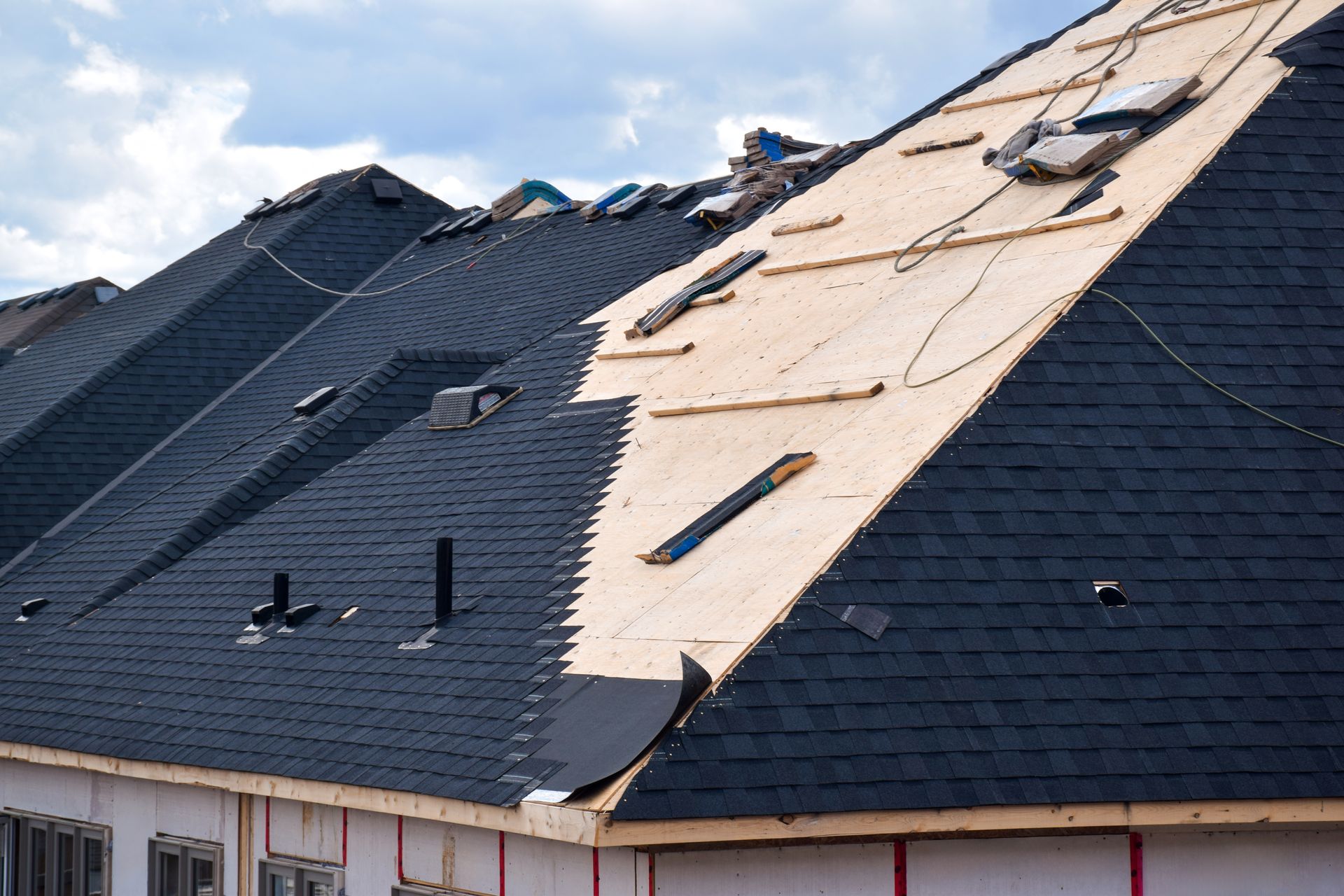


Fall Roof Maintenance Checklist: Prepare Your Roof Before Winter
A good fall roof maintenance checklist covers six things: inspect the shingles and flashing, clean the gutters, check attic ventilation and insulation, clear debris from the roof and valleys, trim overhanging branches, and repair small problems before the cold arrives. Working through these in autumn is what keeps a Connecticut winter from turning minor wear into leaks, ice dams, and emergency repairs. This guide walks through each step.
At Best Way Roofing LLC, we inspect, repair, and replace roofs across central Connecticut, from Waterbury and Bristol to Southington, Cheshire, and Meriden. As a GAF Master Elite President's Club contractor, part of the top one percent of roofers nationally, we see every spring which roofs were prepared in the fall and which were not, so this checklist is built around what actually protects a roof through our winters.
Start with the full checklist, then work through each item before the first freeze.
In This Guide
- The fall roof checklist: Every task in one place.
- How to prioritize the checklist: What matters most, and DIY vs pro.
- Inspect shingles and flashing: Find damage before winter.
- Clean gutters and downspouts: Prevent backups and ice dams.
- Check attic ventilation and insulation: Stop ice dams at the source.
- Clear debris and trim branches: Reduce moisture and storm risk.
- Repair small problems now: Why fall timing matters.
- Frequently asked questions: Quick answers to common questions.

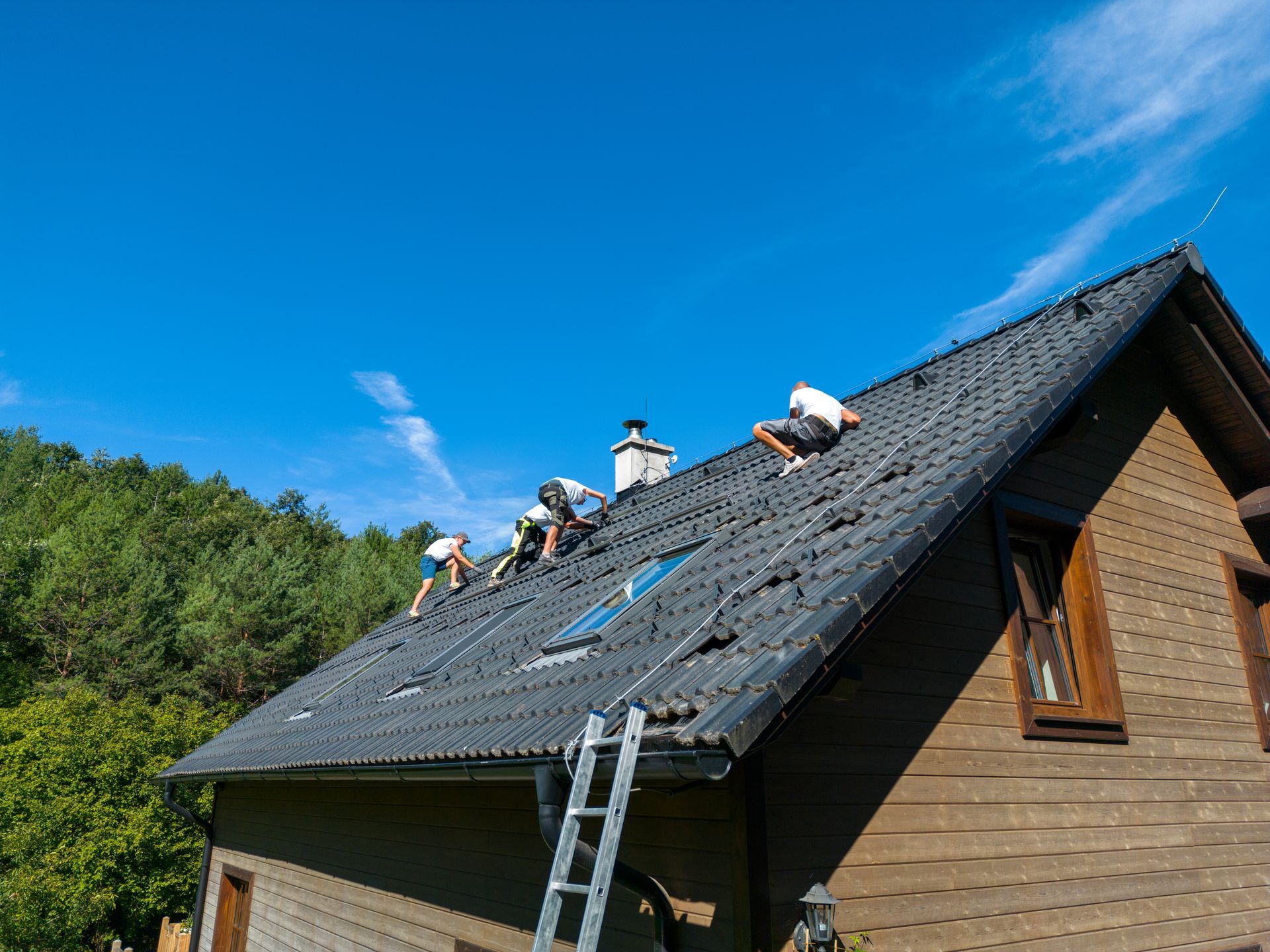
The Fall Roof Checklist
Here is the complete checklist in one place. Each task is covered in detail below, so use this as your quick reference.
Your Fall Maintenance Tasks
- Inspect shingles for damage, curling, or missing pieces.
- Check flashing and seals around chimneys, vents, and valleys.
- Clean gutters and downspouts so water drains freely.
- Check attic ventilation and insulation to prevent ice dams.
- Clear roof and valley debris that traps moisture.
- Trim overhanging branches that threaten the roof.
- Repair minor damage while the weather still allows.
Completing these before the first hard freeze is the single best way to protect your roof through a Connecticut winter. If you keep a general roof inspection checklist for year-round use, this is the seasonal version focused on winter prep.
Prioritizing the Checklist
Not every task carries the same weight or needs the same skill. This table shows what matters most and whether it is a reasonable DIY job.
| Task | Why It Matters | DIY or Pro |
|---|---|---|
| Shingle and flashing inspection | Stops leaks at the source | Ground-level DIY, roof access pro |
| Gutter cleaning | Prevents ice dams and backups | DIY if safe, otherwise pro |
| Attic ventilation and insulation | Root cause of most ice dams | Pro assessment recommended |
| Debris and branch clearing | Reduces moisture and storm damage | DIY or arborist |
| Repairing minor damage | Cheap now, costly if it freezes | Pro for anything on the roof |
If you only do two things, clean the gutters and have the attic checked. Together they prevent the majority of the ice dam problems homeowners face over a Connecticut winter.
Inspect Shingles and Flashing
The first task is understanding what condition your roof is in heading into winter. A fall inspection catches the wear that winter would otherwise exploit, and a calm, dry autumn day gives you the clearest view of the roof's true condition.
Check the Shingles
Look for shingles that are cracked, curled, lifted, or missing. These are the entry points where wind-driven snow and meltwater get under the roof surface once winter sets in and ice begins to build.
Also watch for granule loss, which shows up as bare patches on the shingles or grit collecting in the gutters. Granule loss is a sign the shingles are aging and more vulnerable to winter weather.
Pay attention to the areas that take the most sun and weather, since those tend to wear first. Curling or lifting shingles are especially important to catch before winter, because wind and ice can peel them back further once the cold sets in and expose the roof underneath.
Inspect the Flashing and Seals
Flashing is the metal sealing the joints around chimneys, vents, skylights, and valleys, and it is where leaks most often begin. Check that it is secure and not lifting, cracked, or corroded.
Dried or cracked sealant around these areas is a common source of winter leaks. Chimneys in particular deserve a close look, since their flashing takes heavy abuse from weather.
Skylights and vent pipes are the next most common leak points, so check the seals and boots around them while you are up there or having them inspected. Any spot where something penetrates the roof is a place water will find if the seal has aged, and those failures almost always reveal themselves during winter.
Clean Gutters and Downspouts
Gutters do more for your roof in winter than most homeowners realize, and fall is the critical time to service them after the leaves drop. When they fail, the damage usually shows up on the roof edge and inside the house rather than in the gutters themselves.
Clear the Debris
Fall leaves, twigs, and buildup clog gutters and stop water from draining. When water has nowhere to go, it backs up at the roof edge and freezes, which is a direct contributor to ice dams and the leaks they cause.
Clean the gutters and downspouts thoroughly once most of the leaves have fallen. Timing matters, since cleaning too early means doing it twice, but you want to finish before the first hard freeze.
Frozen debris and ice make the job unsafe and far less effective, so late fall is the sweet spot in Connecticut. If your home is surrounded by mature trees, you may need more than one cleaning through the season to keep the gutters clear as the leaves come down in waves.
Confirm Drainage and Condition
Once clean, check that water flows freely through the system and out the downspouts, away from the foundation. While you are at it, look for sagging, leaks, or separated seams that signal the gutters themselves need attention.
If your gutters are showing their age, fall is a good time to address them before winter, and our guide on when to replace gutters covers the warning signs to watch for.
Also confirm that downspouts discharge well away from the foundation. A downspout that dumps water right at the base of the house sends it exactly where it can freeze, heave, and cause problems, so extending it a few feet out is a quick, high-value fall task.


Check Attic Ventilation and Insulation
The most overlooked part of fall roof prep is not on the roof at all. It is in the attic, and it is the key to preventing ice dams over the winter, the single most damaging cold-weather roof problem in our region.
Why Ventilation Matters
Proper attic ventilation keeps the roof deck cold and dry by letting warm, moist air escape. When ventilation is poor, warm spots form on the roof that melt snow unevenly and feed the ice dams that damage the roof edge.
If you deal with ice dams every winter, the attic is usually where the problem starts. Our guide on why roof ventilation matters explains the warning signs of a failing system.
A balanced system pairs intake vents at the soffits with exhaust vents at the ridge, so cold air moves continuously under the roof deck. Blocked soffit vents, often buried by insulation pushed too far toward the eaves, are a common and easily fixed cause of the warm spots that start ice dams.
Why Insulation Matters
Insulation works alongside ventilation to keep heat inside the house and off the roof deck. A well-insulated attic keeps the roof cold enough that snow melts evenly and drains rather than refreezing at the eaves.
Checking insulation levels and looking for daylight, moisture, or frost in the attic during the fall lets you fix problems before winter. Together, balanced insulation and ventilation are the real fix for chronic ice dams.
Good insulation pays off twice over the winter, since it also keeps heat inside the house and lowers your heating bills. Many older Connecticut homes fall short of current insulation levels, so topping it up is one of the highest-return improvements you can make before the cold arrives.
Clear Debris and Trim Branches
What sits on and around your roof matters as much as the roof itself once winter storms arrive. Fall is the time to clear it away, while the weather is still mild and the work is safe.
Clear Roof and Valley Debris
Leaves and debris collect in roof valleys and around chimneys, skylights, and vents, where they hold moisture against the surface. Once that moisture freezes, it works at the shingles and seals all winter.
Clearing this debris in the fall gives water a clean path off the roof. Pay special attention to the valleys, where two roof planes meet and water naturally concentrates.
Wet leaves left in a valley over the winter act like a sponge, holding moisture against the shingles through every freeze-thaw cycle. That constant dampness breaks down the shingles faster and creates a spot where meltwater can back up and find its way under the roof surface.
Trim Overhanging Branches
Branches that hang over the roof are a double threat in winter. Heavy snow and ice can snap them onto the roof, and even intact limbs drop debris and trap moisture against the shingles.
Trimming branches back before winter reduces the risk of impact damage during storms and cuts down on the debris that clogs gutters. It also keeps animals from using branches to reach the roof.
Ice storms are a real hazard in Connecticut, and a branch loaded with ice can come down with surprising force. Keeping limbs well clear of the roofline protects the shingles and anyone below, and it lets more sun reach the roof so snow melts and dries rather than lingering in shade.
Repair Small Problems Now
The theme of fall roof maintenance is simple: small issues become big ones once they freeze. Fall is the window to fix them while it is still possible to do so correctly, and that window closes fast once the cold settles in.
Why Fall Timing Matters
A loose shingle or a bit of cracked sealant is a quick fix in October. Left until January, the same spot can channel meltwater into the roof deck, insulation, and ceilings below.
Freezing temperatures also make many repairs harder or impossible, since sealants and shingles need warmth to bond properly. Fixing problems in the fall means they are done right before the cold locks them in for the season.
There is a scheduling reality, too. Roofers get busy the moment the first storm causes leaks, so booking a fall repair usually means shorter waits and calmer conditions than trying to get emergency help in the middle of January.
When to Call a Professional
Some checks are safe from the ground, but walking a roof is risky, especially on the steeper pitches common in Connecticut. If you suspect damage or are due for an inspection, a professional assessment is the safer route.
A roofer can spot early wear you might miss and confirm whether your roof is ready for winter. We offer a free roof inspection that covers the roof and gutters together, and our roof repair team can handle anything the inspection turns up.
A professional check also gives you documentation of your roof's condition going into winter, which is useful if a storm later causes damage and you need to file an insurance claim. Knowing where your roof stands removes a lot of the worry when the first big storm hits.
Get Your Roof Ready for Winter
A little maintenance in the fall saves a great deal of stress and expense once the snow and ice arrive. Inspecting the roof, cleaning the gutters, checking the attic, and fixing small problems early is what keeps a Connecticut winter from turning into a leak or an ice dam.
At Best Way Roofing LLC, we help central Connecticut homeowners get their roofs winter-ready and handle repairs and replacements when they are needed. When you are ready,
schedule a free inspection or
reach out to our team. We will tell you exactly what your roof needs before the first freeze.
Frequently Asked Questions
Frequently Asked Questions
Frequently Asked Questions
Frequently Asked Questions
When should I do fall roof maintenance in Connecticut?
Aim to complete your fall roof maintenance before the first hard freeze, which in Connecticut usually means finishing by late October or early November. Repairs are easier and more effective while temperatures are still mild.
What is the most important fall roof task?
Cleaning the gutters and checking attic ventilation are the two highest-impact tasks, since together they prevent ice dams, the most common and damaging winter roof problem. Inspecting for damaged shingles and flashing is a close third.
How do I prevent ice dams over the winter?
Ice dams are prevented mostly from inside, through good attic insulation and ventilation that keep the roof deck uniformly cold. Clean gutters that drain freely also help, since water backing up at the eaves is where ice dams form.
Can I do fall roof maintenance myself?
You can do a lot from the ground, like checking for damaged shingles with binoculars and clearing accessible debris. Walking the roof is risky, especially on steep Connecticut homes, so a professional inspection is the safer choice for a closer look.
What happens if I skip fall roof maintenance?
A roof that heads into winter unprepared is far more likely to develop leaks, ice dams, and storm damage. Small problems that could have been fixed cheaply in the fall often turn into interior water damage and emergency repairs by spring.
Title or Question
Describe the item or answer the question so that site visitors who are interested get more information. You can emphasize this text with bullets, italics or bold, and add links.
Recent Posts