

Roof Inspection Checklist: What Homeowners Should Look For
At Best Way Roofing, our team has spent years helping Connecticut homeowners protect one of their biggest investments: their roof. With decades of hands-on experience in CT's demanding four-season climate, we know exactly what can go wrong, when it goes wrong, and how to catch problems before they turn into costly repairs. This guide walks you through a complete roof inspection checklist so you can stay ahead of damage, extend your roof's life, and know when it's time to call a professional.
What to Look for in a Roof Inspection (Quick Overview)
A roof inspection covers two main areas: the exterior of your roof and the interior spaces below it, like your attic and ceilings. You don't need to climb on your roof to spot many warning signs. In fact, many checks can be done safely from the ground or from inside your home.
Here is what a thorough inspection covers at a glance:
- Shingles and roofing material condition
- Flashing around chimneys, vents, and skylights
- Gutters and downspouts
- Roof valleys and drainage areas
- Attic ventilation and insulation
- Interior ceilings and walls for water stains
For the safest and most complete results, pair your own walkthrough with a professional inspection at least once a year. A trained roofer can spot issues that are easy to miss from the ground.
Why Regular Roof Inspections Matter
Most homeowners don't think about their roof until there's a visible problem, like a leak dripping into the living room. But by that point, damage has often been building for months. Regular inspections help you stay ahead of the problem.
Here's why they're worth the time:
Preventing costly repairs. Small issues like a missing shingle or a tiny crack in the flashing can let water in. Over time, that moisture damages the decking, insulation, and even the structure of your home. Catching it early is far cheaper than a full roof replacement or interior water damage repair.
Extending roof lifespan. A well-maintained roof can last significantly longer than a neglected one. Asphalt shingles typically last 20 to 30 years, but only with proper upkeep. Regular inspections, cleaning, and minor repairs add years to that timeline.
Catching hidden issues early. Not all damage is visible from the outside. Moisture can work its way into your attic and walls without any obvious exterior signs. Inspections that include the attic and interior spaces catch these hidden problems before they spread.
Insurance and resale considerations. If you file a homeowner's insurance claim after storm damage, insurers will look at your maintenance history. A documented inspection record shows you've been proactive. When it comes time to sell, a clean inspection report gives buyers confidence and can strengthen your asking price.
Exterior Roof Inspection Checklist
Shingles and Roofing Materials
Shingles are your roof's first line of defense. Walk around your home and scan the roof surface from the ground. Look for:
- Missing shingles. Even one missing shingle creates an opening for water.
- Cracked or curling shingles. Curling at the edges or corners is a sign of age and heat damage. Cracking means the material is drying out and becoming brittle.
- Blistering shingles. Blisters form when moisture gets trapped during manufacturing or when ventilation is poor. They leave the shingle surface vulnerable once they pop.
- Granule loss. Asphalt shingles are coated with granules that protect against UV rays and water. As shingles age, these granules wear off. You can spot this by looking for bare patches on the shingle surface or checking your gutters for a buildup of dark, sand-like granules.
If your shingles are showing multiple signs of wear across a large portion of the roof, that's a signal to talk to a roofing contractor about whether repair or replacement makes more sense.
Flashing and Roof Penetrations
Flashing is the thin metal material installed around areas where the roof meets a vertical surface, like a chimney, dormer, or skylight. It's one of the most common places where leaks start.
Check for:
- Loose, lifted, or missing flashing sections
- Rust or corrosion on metal flashing
- Cracked or dried-out sealant around the edges
- Gaps between the flashing and the surface it connects to
Chimney flashing is especially important in Connecticut, where freeze-thaw cycles put constant pressure on the seal between the chimney and the roof.
Roof Valleys and Drainage Areas
Roof valleys are the angled channels where two roof slopes meet. Because they carry a high volume of runoff, they wear faster than flat sections and are prone to leaks.
Look for:
- Shingles that appear worn, cracked, or missing in the valley area
- Debris like leaves, twigs, or moss buildup that can trap moisture
- Any visible signs of water pooling or dark staining along the valley line
Gutters and Downspouts
Gutters do more than manage rainwater. They also give you clues about your roof's condition.
When inspecting gutters, look for:
- Granule buildup. If you see a lot of shingle granules collecting in the gutters, your shingles are aging and may need replacement soon.
- Sagging gutters. Sagging means the gutters are pulling away from the fascia, which can allow water to run behind them and damage the wood underneath.
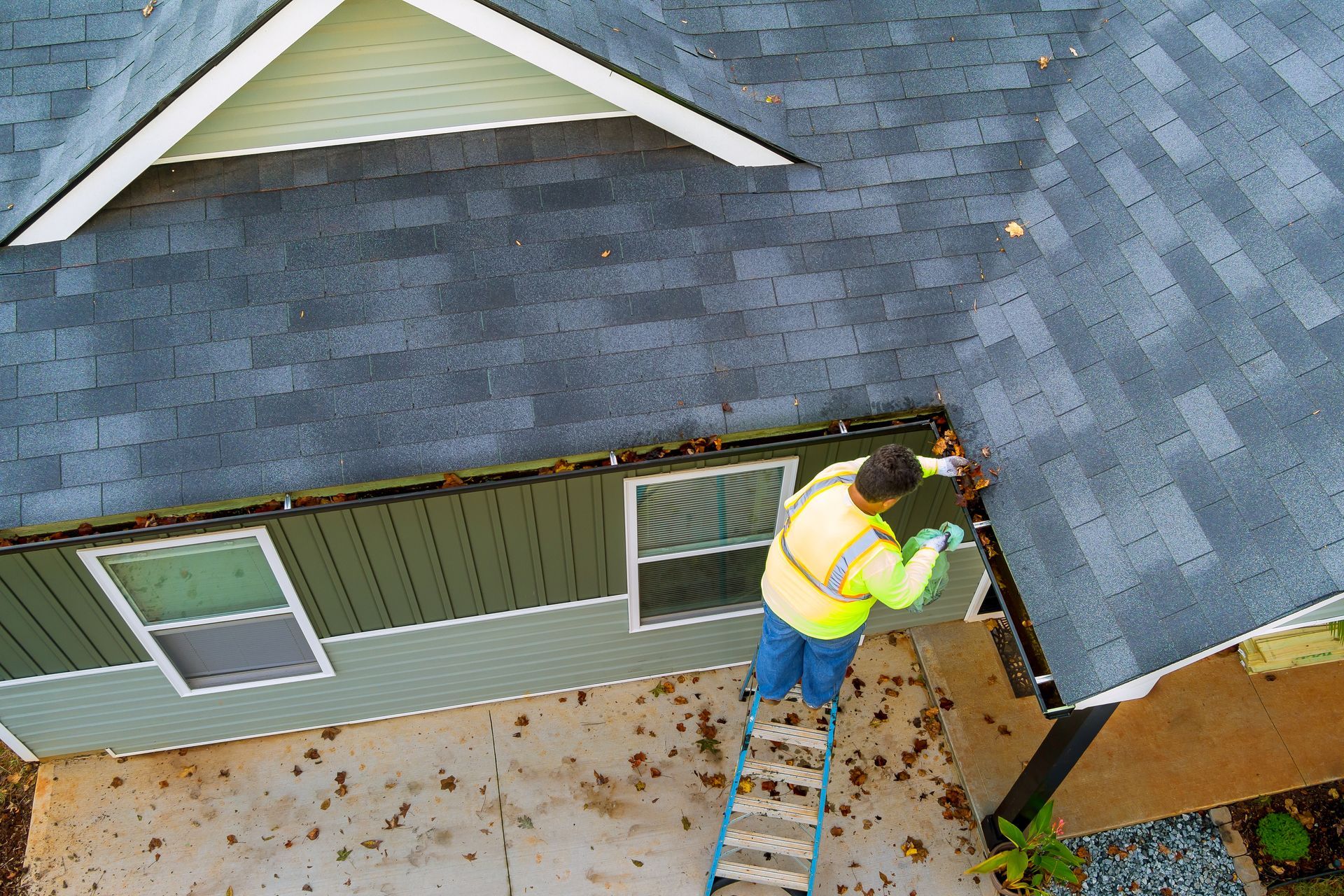
- Clogs and standing water. Debris-clogged gutters force water to back up under the shingles or overflow against the foundation.
- Downspout drainage. Make sure downspouts direct water well away from the foundation, at least 3 to 4 feet. Poor drainage can lead to basement water intrusion.
Roof Structure and Surface
Step back and look at the overall roofline from the ground. It should appear straight and even.
Signs of structural issues include:
- Sagging or dipping areas anywhere on the roof surface
- Uneven or wavy lines along the ridge or eaves
- Any visible dips near roof penetrations like vents or pipes
Sagging usually points to a problem with the decking or the structure beneath it, which can be a serious safety concern if left unaddressed.
Interior Roof Inspection Checklist
Attic Inspection
Your attic is one of the best places to catch roof problems early. On a clear day, head up with a flashlight and look for:
- Water stains or discoloration on the underside of the roof deck or on rafters. Dark spots or streaks are signs of a leak.
- Mold or mildew growth. Mold in the attic typically means moisture is getting in, either through a leak or poor ventilation.
- Daylight coming through the roof boards. Any visible light coming through gaps or cracks means there are openings that water can enter through.
- Damaged or wet insulation. Wet insulation loses its effectiveness and can hide mold growth beneath it.
Insulation and Ventilation
Proper ventilation is critical for roof health, especially in Connecticut where attic heat and cold can both cause damage. Poor airflow leads to:
- Moisture buildup in winter, when warm indoor air meets cold roof decking
- Excessive heat in summer, which accelerates shingle breakdown
- Ice dams forming at the eaves in cold weather, which force water under shingles
Check that your attic vents are clear and functioning. Ridge vents, soffit vents, and gable vents all work together to keep air moving. If any are blocked by insulation or debris, they need to be cleared.
Ceilings and Walls Inside the Home
Sometimes the first sign of a roof problem shows up on your interior walls or ceilings. Walk through each room and look for:
- Water stains on ceilings or walls, especially in upper floors or near exterior walls
- Bubbling or peeling paint, which indicates moisture beneath the surface
- Soft or spongy drywall
- Musty odors in rooms that are usually dry
These interior signs often appear below the leak source. The actual entry point for water may be several feet away from where you see the stain, so a professional may be needed to trace the path.
Signs of Roof Damage After Storms
Connecticut sees its share of weather, from nor'easters and heavy snowfall to summer thunderstorms and occasional hail. After any significant storm, it's worth doing a post-storm walkthrough. Best Way Roofing's storm damage services are available to help CT homeowners assess and address damage quickly.
Wind Damage
High winds can lift or remove shingles entirely, even on relatively newer roofs. Look for:
- Missing shingles, especially near the edges or ridge
- Lifted or curled shingles that are no longer lying flat
- Debris from surrounding trees on the roof surface
Hail Damage
Hail damage can be subtle and easy to miss. From the ground, look for:
- Dents or pitting on shingles, gutters, or metal vents
- Bruising or soft spots on asphalt shingles (they'll feel spongy when pressed)
- Impact marks around roof penetrations
Hail damage often doesn't cause an immediate leak, but it weakens the shingle surface and speeds up deterioration. An insurance adjuster may want a professional roofer to document the damage.
Water Intrusion Risks
After heavy rain, pay attention to the following warning signs:
- Any new staining on interior ceilings or walls
- Water dripping through light fixtures or attic hatch
- Pooling water in the attic
If you notice any of these after a storm, get a professional inspection scheduled quickly. Water damage compounds fast.
DIY Roof Inspection vs. Professional Inspection
What Homeowners Can Safely Check Themselves
Many parts of an inspection can be done safely from the ground or inside the home. These include:
- Walking the perimeter of the house and scanning the roof visually
- Checking gutters for granules or debris
- Inspecting the attic with a flashlight
- Looking at ceilings and walls for stains or bubbling
Risks of Climbing on the Roof
Walking on a roof is genuinely dangerous, especially on steep pitches or after rain. Wet shingles are slippery, and a fall from a roof can cause serious injury. Unless you have proper safety equipment and experience working at heights, it's best to leave the on-roof inspection to a professional.
When to Call a Roofing Contractor
The following situations call for a professional, not a DIY walkthrough:
- You see active leaking inside the home, even if it's minor
- Shingle damage is widespread rather than isolated to one spot
- The roofline appears to sag or dip anywhere along its length
- A major storm recently hit your area
- Your roof is approaching or past the end of its expected lifespan
A licensed roofer can safely access the entire roof surface, identify issues that aren't visible from the ground, and give you an honest assessment of your options. Learn more about Best Way Roofing's residential roofing services to see how we can help.
When to Schedule a Roof Inspection
Spring and fall are the ideal times for a professional inspection, but timing depends on your situation. Use this table as a quick reference:
| When to Inspect | Why It Matters |
|---|---|
| Spring | Catches damage from winter ice, snow weight, and freeze-thaw cycles |
| Fall | Lets you address problems before another winter sets in |
| After a major storm | Wind, hail, and heavy rain can cause damage that isn't obvious right away |
| Before buying a home | Reveals the roof's true condition before you close |
| Before selling a home | Lets you address issues proactively and protect your asking price |
| When the roof is 15+ years old | Older roofs need closer monitoring even without visible symptoms |
Common Issues Found During Roof Inspections
Even well-maintained roofs develop problems over time. These are the issues professional inspectors find most often:
- Leaks and moisture intrusion - The most frequent concern. They often start small and are traced back to compromised flashing, cracked sealant, or a single missing shingle.
- Damaged flashing - Extremely common around chimneys and skylights, especially in Connecticut where freeze-thaw cycles put constant stress on the seal.
- Ventilation problems - Often go undetected until significant moisture damage has built up in the attic. This is one of the strongest reasons to include an attic check in your annual routine.
- Aging materials - Widespread granule loss, curling, or brittle shingles signal that a full replacement may be on the horizon. If you're seeing these signs, our
roof repair team can walk you through your options.
- Clogged or damaged gutters - A surprisingly common source of preventable damage. When gutters can't drain properly, water backs up toward the roof deck instead of away from the home.
Final Thoughts: Staying Ahead of Roof Problems
Your roof works hard every day, through Connecticut winters, spring rainstorms, summer heat, and fall windstorms. The best way to protect it is to stay proactive. A quick inspection each season, combined with a professional assessment once a year, costs a fraction of what a major repair or early replacement would run.
Document what you find each time you check. Take photos if you spot anything unusual. And when in doubt, bring in a professional who can give you a clear picture of where things stand.
The team at Best Way Roofing is here to help CT homeowners with honest, knowledgeable roof inspections and quality repairs. If it's been a while since your last inspection, or if a recent storm has you concerned,
schedule your free roof inspection today. Catching a small problem now can save you thousands down the road.
Frequently Asked Questions About Roof Inspections
How often should I have my roof inspected?
Most roofing professionals recommend a professional inspection at least once a year, ideally in spring or fall. You should also schedule one after any major storm, if your roof is 15 years or older, or before buying or selling a home. Annual inspections are the most reliable way to catch small problems before they become expensive ones.
How long does a roof inspection take?
A professional roof inspection typically takes between 45 minutes and 2 hours, depending on the size and complexity of the roof. Larger homes, steep pitches, or roofs with multiple penetrations like chimneys and skylights will take longer. An inspector who rushes through in under 30 minutes likely isn't being thorough.
What is the difference between a roof inspection and a roof estimate?
A roof inspection is a diagnostic assessment. The goal is to evaluate the current condition of your roof and identify any problems. A roof estimate comes after the inspection and outlines the cost of addressing what was found. Some companies, including Best Way Roofing, offer free roof inspections with no obligation to move forward with repairs.
Can I do a roof inspection myself?
You can safely handle parts of an inspection from the ground or inside your attic, such as scanning for missing shingles, checking gutters, and looking for water stains on ceilings. However, walking on the roof itself carries real safety risks and should be left to a trained professional. A DIY walkthrough is a good complement to a professional inspection, not a replacement for one.
How do I know if my roof needs repair or full replacement?
The answer depends on the age of your roof, how widespread the damage is, and what materials were used. Isolated damage on a relatively new roof often points to repair. Widespread shingle wear, sagging, or a roof approaching the end of its expected lifespan may mean replacement is the smarter long-term investment. A professional inspection gives you an honest, unbiased answer. You can also visit our roof repair page to learn more about what the repair process looks like.
Recent Posts