

Roof Repair vs Replacement: How to Know What You Need
After years of working on roofs across Connecticut, our team has seen just about every roofing issue you can imagine. From small leaks that turned into major problems to roofs that looked terrible but only needed a simple fix, we've helped homeowners make the right call time and time again. We know how stressful it is to look up at your roof and wonder if you need a quick repair or a full replacement. The good news is that figuring this out doesn't have to be confusing. With the right information and an honest inspection, you can make a smart choice that protects your home and your wallet.
This guide walks you through everything you need to know about roof repair vs replacement. We'll cover the signs to watch for, how roof age plays a role, what costs to expect, and how to decide what your roof really needs.
Is Your Roof Telling You It's Time for More Than a Repair?
Your roof talks to you. It just doesn't use words. Stains on the ceiling, missing shingles, and granules in your gutters are all signals. The trick is knowing what those signs mean.
Why Roofing Problems Should Never Be Ignored
Small roof problems rarely stay small. A tiny leak today can become a major repair next year. Water finds its way into wood, insulation, and drywall. Once it gets inside, it causes rot, mold, and damage that costs much more to fix than the original roof issue.
Acting early saves money. It also protects your family from health risks tied to mold and poor indoor air quality.
The Difference Between Roof Repair and Roof Replacement
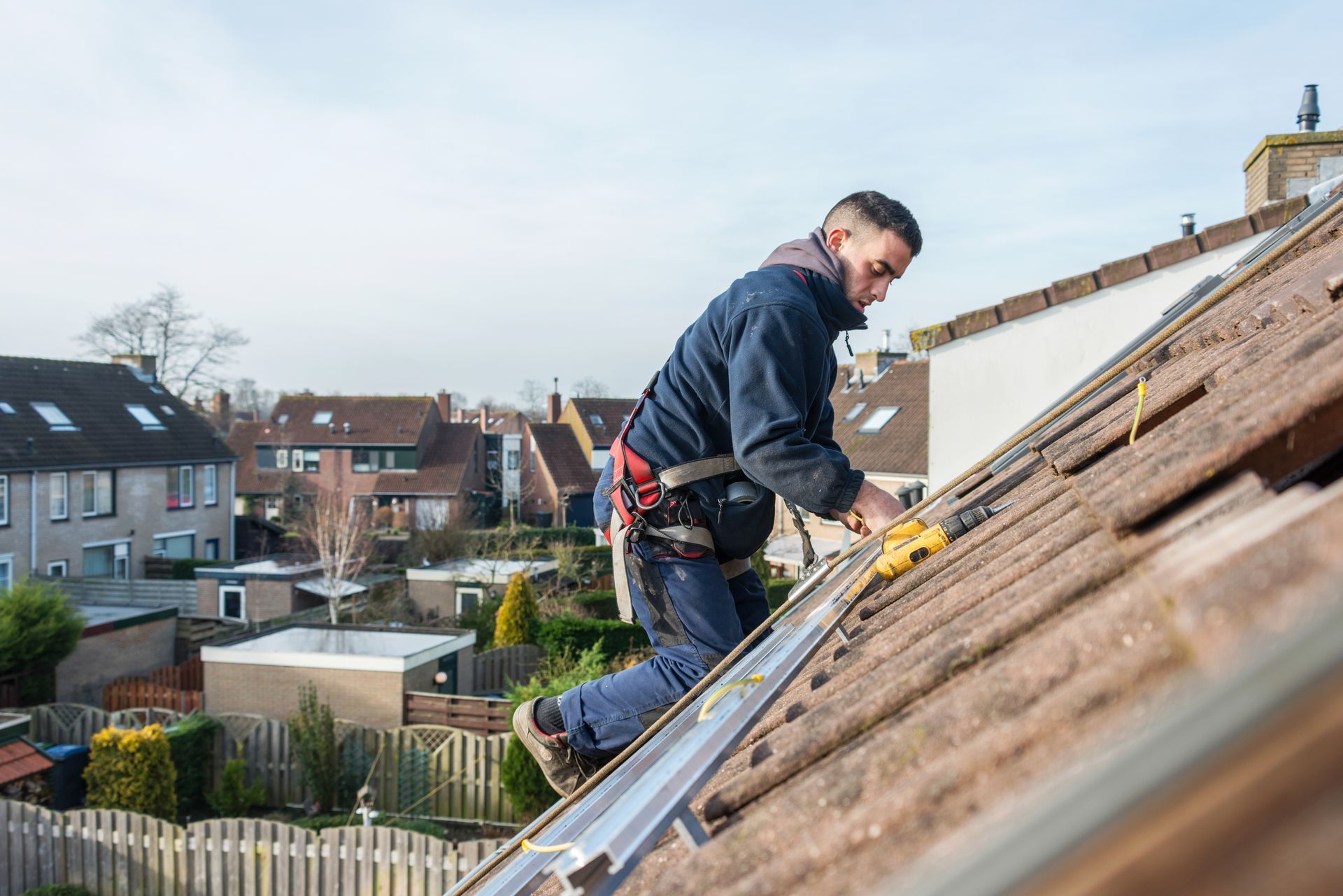
A roof repair fixes a specific problem. This might mean replacing a few shingles, sealing a leak around a vent, or fixing damaged flashing. Repairs work best when the rest of the roof is still in good shape.
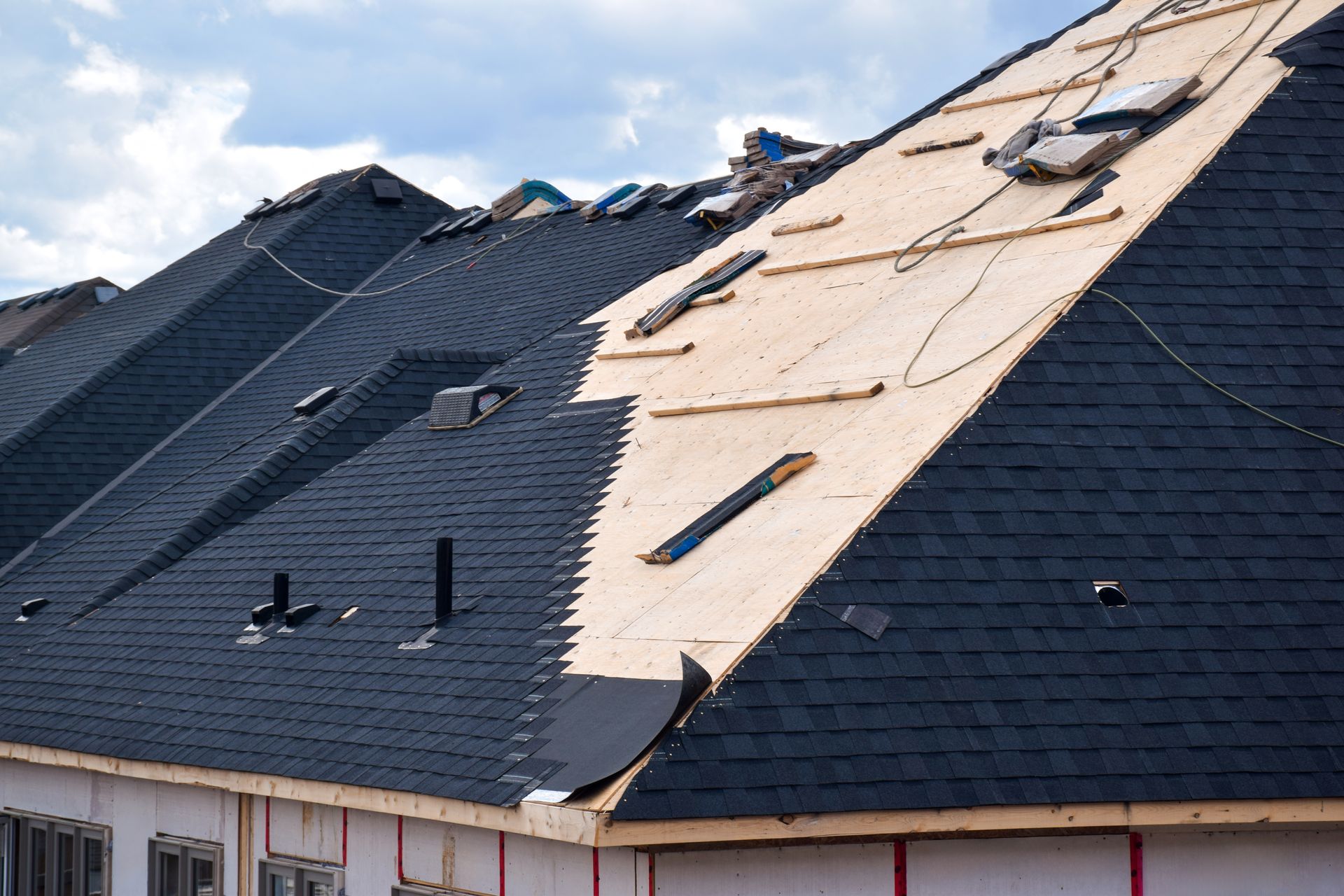
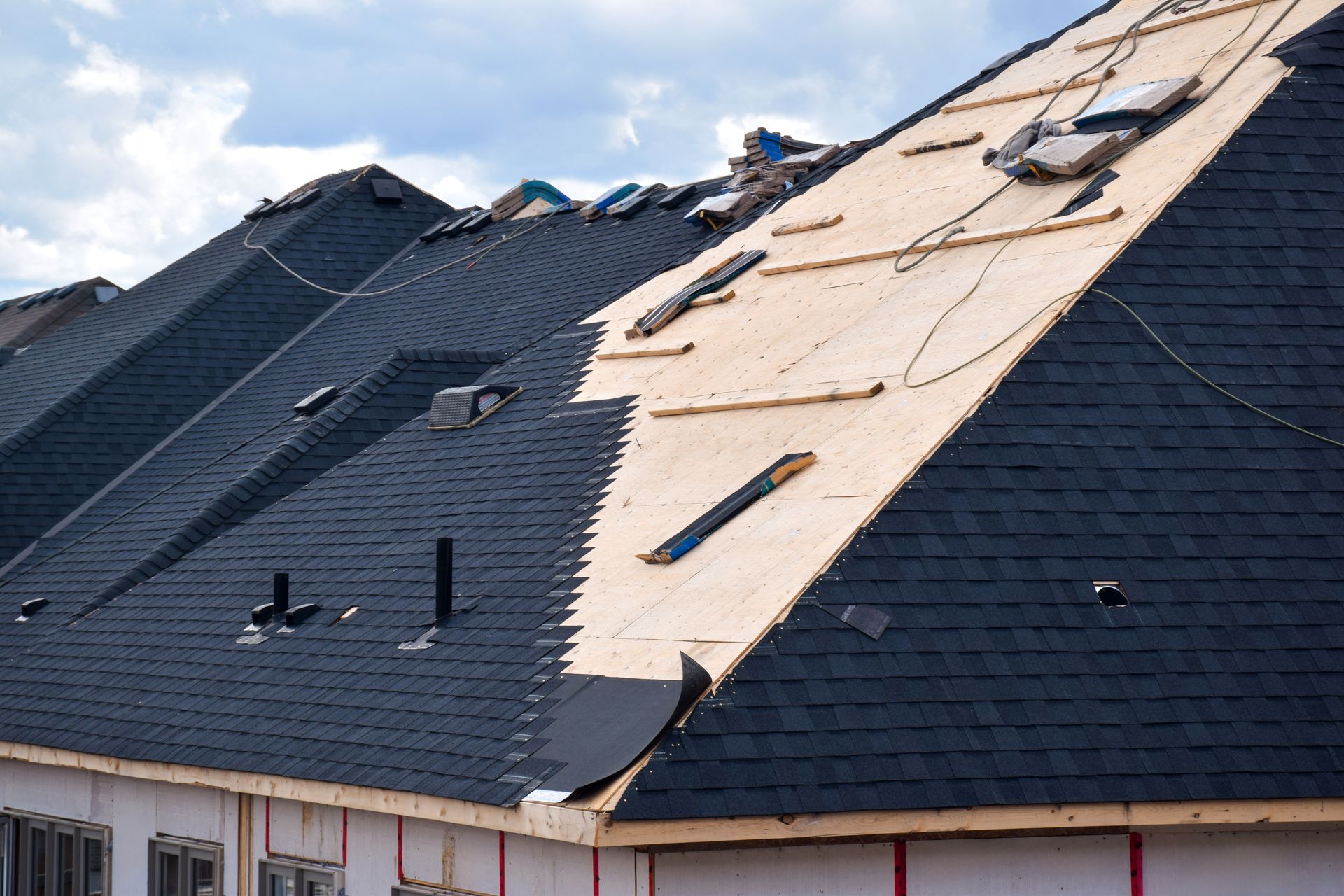
A roof replacement removes the old roof and installs a brand-new one. This is the right choice when damage is widespread, the roof is old, or repairs keep adding up.
How Connecticut Weather Can Impact Your Roof
Connecticut puts roofs through a lot. The mix of harsh winters and humid summers wears materials down faster than in milder climates. Here are the main weather threats your roof faces year after year:
- Heavy snow and ice dams that add weight and force water under shingles
- Freeze-thaw cycles that turn small cracks into bigger ones
- Summer thunderstorms that bring hail, heavy rain, and strong winds
- High winds that lift, loosen, or tear off shingles
- UV exposure that dries out and weakens roofing materials over time
Because of this, Connecticut roofs often show wear earlier than roofs in milder climates. Regular checks help you catch problems before they spread.
Common Roofing Problems That May Only Need Repairs
Not every roof issue means you need a full replacement. Many problems are small and easy to fix when caught early.
Missing or Damaged Shingles
A few missing or cracked shingles after a storm is normal. As long as the damage is limited to a small area and the rest of the roof is healthy, a repair is usually all you need.
Small Roof Leaks Around Flashing or Vents
Flashing is the metal that seals areas where the roof meets a chimney, vent, or skylight. When flashing fails, water can sneak in. Replacing or sealing the flashing is often a quick repair that solves the problem.
Minor Storm or Wind Damage
Strong winds can lift shingles or knock debris onto your roof. If the damage is small and the roof deck below is still solid, a targeted repair will get your roof back to normal.
Isolated Areas of Roof Wear
Sometimes one section of the roof wears out faster than the rest. This often happens on slopes that face the sun or take the brunt of the weather. A partial repair can extend the life of the whole roof.
Signs Your Roof May Need Full Replacement
There are times when patching just isn't enough. If you notice any of the warning signs below, replacement is likely the smarter long-term choice:
- The roof is near or past its expected lifespan
- Water stains or rot have spread across the attic or ceilings
- You've paid for multiple repairs in the last few years
- Sections of the roof are sagging or look uneven
- Shingles are curling, cracking, or losing granules across large areas
Let's look at each of these signs in more detail.
Your Roof Is Nearing the End of Its Lifespan
Every roof has a shelf life. If yours is close to or past the end of its expected lifespan, replacement is usually the smarter move. Repairs on old roofs often fail quickly because the surrounding materials are also worn out.
Widespread Water Damage or Rot
If water has soaked into the roof deck or attic, the structure itself may be compromised. Spot repairs won't fix that. A full replacement lets your roofer remove damaged wood and start fresh.
Frequent Repairs Are Adding Up
If you're calling a roofer every year, your roof is trying to tell you something. The money spent on repeated fixes often adds up to more than a new roof would have cost in the first place.
Sagging Roof Areas or Structural Concerns
A sagging roof is a serious warning sign. It often means the decking or support beams are damaged. This isn't something a repair can solve. You'll need a replacement and possibly structural work underneath.
Granule Loss and Aging Shingles
Asphalt shingles have small granules that protect them from sunlight. When you see lots of granules in your gutters or notice shingles looking bald, the roof is wearing out. Once granule loss is widespread, replacement is the better long-term choice.
Roof Age Matters More Than Most Homeowners Realize
Roof age is one of the biggest factors in the repair vs replacement decision. Even a roof that looks okay from the ground may be near the end of its life. For a deeper breakdown, see our guide on how long a roof should last.
Expected Lifespans for Common Roofing Materials
Different materials last different amounts of time. Knowing what's on your roof helps you plan ahead.
Asphalt Shingle Roofs
Standard three-tab asphalt shingles last about 15 to 20 years. In Connecticut, harsh winters and humid summers can shorten that window.
Architectural Shingles
Architectural shingles are thicker and more durable. They typically last 25 to 30 years with proper care.
Metal Roofing Systems
Metal roofs are built to last. Most systems last 40 to 70 years, depending on the material. They handle weather extremes very well, which makes them a popular long-term choice.
Comparing the Cost of Roof Repair vs Replacement
Cost is one of the biggest concerns for any homeowner. Let's break down when each option makes the most financial sense.
| Factor | Roof Repair | Roof Replacement |
|---|---|---|
| Upfront Cost | Lower | Higher |
| Long-Term Value | Short-term fix | 20+ years of protection |
| Best For | Minor, isolated damage | Widespread or aging damage |
| Lifespan Added | A few years | Full new lifespan |
| Warranty | Limited or none | Full manufacturer warranty |
| Energy Savings | Minimal | Often significant |
When Repairs Are the More Cost-Effective Option
If your roof is fairly new and the damage is limited, repairs are almost always the better choice. You'll spend less and still get years of protection.
When Replacement Saves More Money Long-Term
If your roof is old or damage is widespread, replacement saves money in the long run. You stop paying for repeat repairs and gain a new warranty.
Hidden Costs of Delaying Roof Replacement
Putting off a replacement can cost more than you think. Water damage spreads quickly. Insulation gets ruined. Mold can take hold. Energy bills creep up as the roof loses its ability to seal in heat or cool air.
How Roof Damage Severity Affects the Right Decision
The type and amount of damage matter just as much as the age of your roof.
Cosmetic Damage vs Functional Damage
Cosmetic damage affects how the roof looks but not how it works. Functional damage affects how the roof protects your home. Cosmetic issues can often wait. Functional issues need action right away.
Storm Damage and Insurance Considerations
After a big storm, your insurance may cover repairs or replacement. A roofing contractor can help document the storm damage and walk you through the claims process. Acting quickly is important because most policies have time limits for filing claims.
When Water Damage Reaches the Roof Deck
The roof deck is the wood layer under the shingles. If water reaches the deck and causes rot, repairs may not be enough. Replacement gives your roofer the chance to fix the deck and install new materials that will last.
Questions Homeowners Should Ask Before Deciding
Before choosing between repair and replacement, it helps to think through a few key questions.
- How old is the existing roof?
- Has the roof been repaired before, and how often?
- Is the damage limited to one area or spread across the roof?
- Are you planning to sell your home in the next few years?
- Has the attic shown signs of water damage or mold?
How Old Is the Existing Roof?
If your roof is more than 15 to 20 years old, replacement is often worth considering even if the damage looks minor.
Has the Roof Been Repaired Before?
Multiple repairs in a short time usually mean the roof has bigger problems. Replacement gives you a fresh start.
Is the Damage Limited or Widespread?
A few damaged shingles is one thing. Damage across multiple slopes is another. Widespread damage almost always points to replacement.
Are You Planning to Sell Your Home Soon?
A new roof can boost your home's value and make it easier to sell. Buyers love knowing they won't have to deal with roof issues for years to come.
The Benefits of Repairing Your Roof
When repair is the right choice, it offers some real advantages.
Faster Turnaround Times
Most repairs are done in a day or two. That means less disruption to your home and family.
Lower Upfront Costs
Repairs cost a fraction of what a full replacement does. If your roof is in good shape overall, repairs are a smart way to stretch your budget.
Extending the Life of a Healthy Roof
A well-timed repair can add years to a roof that still has plenty of life left. Regular maintenance helps you get the most out of your investment.
The Benefits of Replacing Your Roof
When replacement is the right call, the benefits are big.
Better Long-Term Protection
A new roof gives you decades of worry-free protection. You won't need to think about leaks, repairs, or damage for a long time.
Improved Energy Efficiency
Modern roofing materials are better at reflecting heat and sealing in conditioned air. That means lower energy bills year-round.
Increased Home Value and Curb Appeal
A new roof boosts how your home looks and how much it's worth. It's one of the most visible upgrades you can make.
Stronger Warranty Coverage
A full replacement usually comes with a manufacturer warranty that covers materials for decades. Many roofers also offer their own workmanship warranties.
Why a Professional Roof Inspection Matters
You can spot some roof problems from the ground. But many issues hide where you can't see them. That's why a professional roof inspection makes such a difference.
What a Roofing Contractor Looks For
A thorough inspection covers more than just the surface of your shingles. A qualified roofer will check:
- Shingles for cracks, curling, missing pieces, or granule loss
- Flashing around chimneys, vents, and skylights for gaps or rust
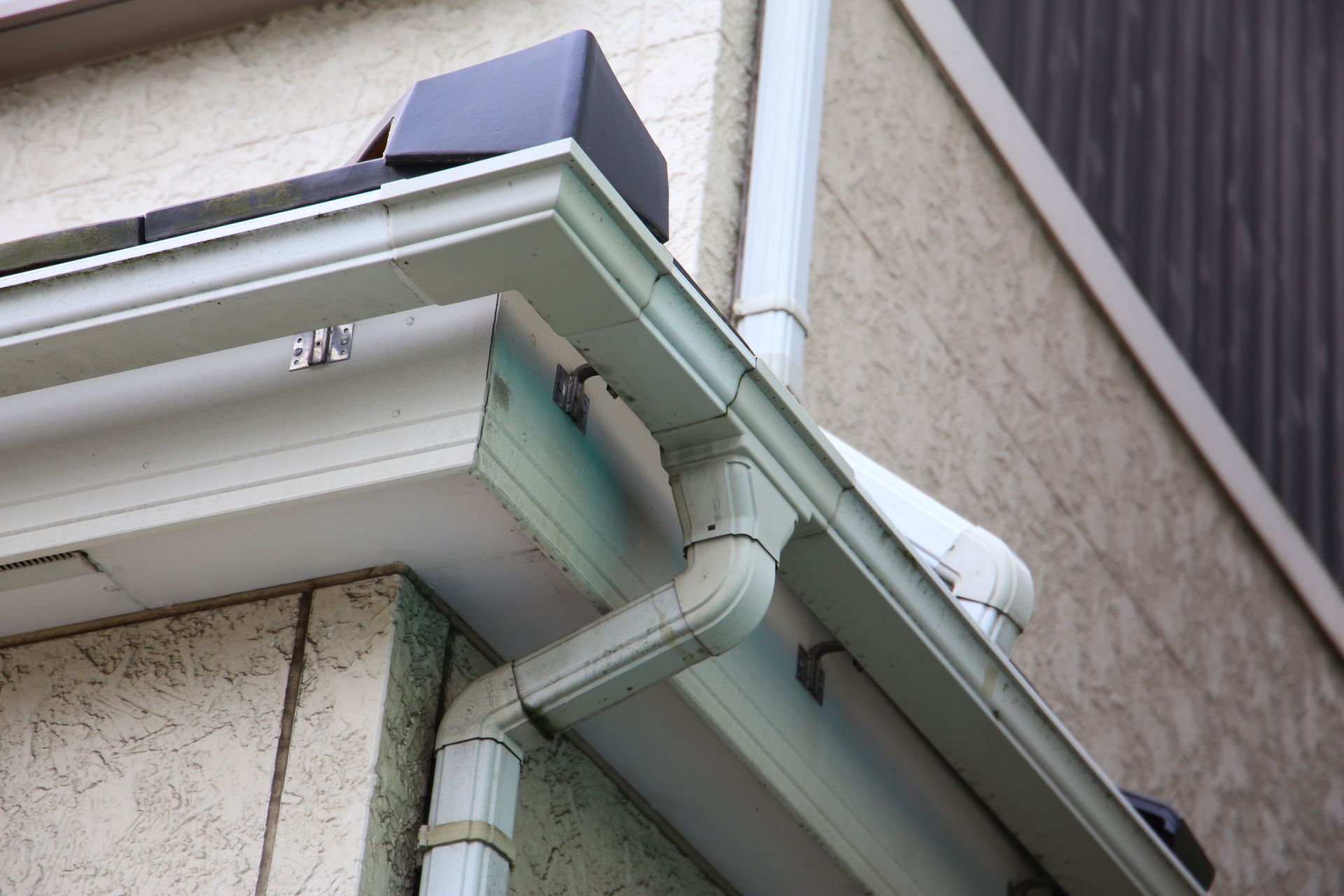
- Gutters and downspouts for debris, sagging, or shingle granules
- Roof deck and attic for soft spots, water stains, or rot
- Ventilation to make sure moisture and heat are escaping properly
A good inspection catches problems before they grow into expensive repairs.
Why Surface Damage Can Be Misleading
What you see from the driveway often doesn't tell the full story. A roof can look fine on the outside while hiding rot, mold, or water damage underneath. Only a thorough inspection reveals what's really going on.
Creating a Long-Term Roofing Plan
A professional inspection helps you plan ahead. Your roofer can tell you how many years are left in your roof, what to watch for, and when to start budgeting for replacement.
Choosing the Right Roofing Solution for Your Home
The right choice depends on several factors working together.
Balancing Budget, Age, and Roof Condition
If your roof is young and damage is small, repair is usually the answer. If your roof is old and damage is widespread, replacement is the smarter long-term move. When you're in the middle, an inspection helps clear things up.
Knowing When Repairs Are No Longer Worth It
There comes a point when repairs stop making sense. If you're spending money every year and the roof keeps failing, replacement is the better path forward.
Working With a Trusted Roofing Contractor
The contractor you choose matters as much as the choice between repair and replacement. Look for a licensed roofing company with strong reviews, proper credentials, and clear communication. A good contractor will give you honest advice, even if it means recommending a smaller job than you expected.
Frequently Asked Questions
At what percentage of damage should I replace my roof instead of repairing it?
A good rule of thumb is the 30% rule. If more than 30% of your roof is damaged, replacement is usually the smarter choice. Repairing that much area often costs nearly as much as a new roof but gives you far less long-term value.
Can I repair a 20-year-old roof, or is replacement the only option?
You can repair an older roof, but it rarely pays off. By 20 years, most asphalt shingle roofs are near the end of their lifespan. Money spent on repairs at that point often goes to waste within a year or two. A replacement gives you a fresh start and a new warranty.
Will a new roof actually lower my energy bills?
Yes, in most cases. Older roofs lose efficiency as shingles wear down and ventilation weakens. A new roof with proper insulation and modern materials helps keep heat in during winter and out during summer, which often shows up as noticeable savings on your monthly bill.
Does a roof replacement increase my home's resale value?
A new roof is one of the top upgrades buyers look for. It removes a major concern from the inspection process and can help your home sell faster. While the exact return varies, homeowners typically recoup a strong portion of the cost, plus the added confidence of a clean inspection report.
How long does a full roof replacement take in Connecticut?
Most residential roof replacements take one to three days, depending on size, weather, and roof complexity. Connecticut weather can sometimes stretch the timeline, especially during winter or storm season, but a good contractor will plan around it and keep your home protected throughout the job.
Get a Clear Answer From a Local Roofing Expert
The honest truth is that no homeowner should have to guess what their roof needs. The right answer comes from a closer look at your shingles, flashing, deck, and attic — not from a quick glance up at the surface.
If you're trying to decide between a repair and a replacement, the best next step is a professional inspection. Our team at Best Way Roofing has spent years helping Connecticut homeowners get straight answers without pressure. We walk you through what we see, explain your options clearly, and only recommend work your roof actually needs.
Schedule a free roof inspection today and get the clarity you need to protect your home for years to come.
Recent Posts