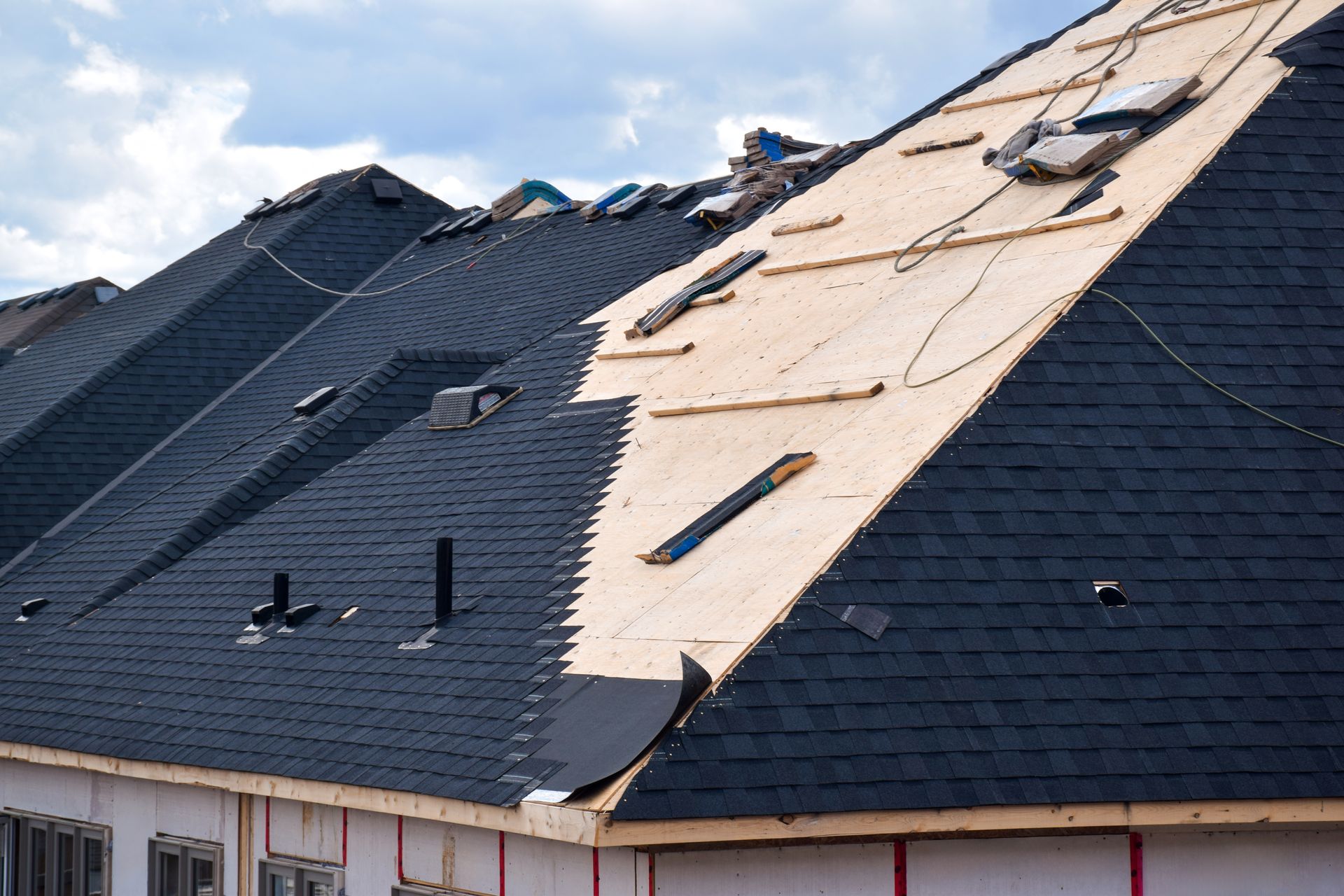


What Causes Roof Leaks? The Most Common Issues Explained
Most roof leaks do not start in the wide-open field of shingles. They start at the weak points where the roof is interrupted, failed or cracked flashing, worn pipe boots around vent pipes, damaged or missing shingles, clogged gutters, and the seals around chimneys, skylights, and valleys. In Connecticut, ice dams and freeze-thaw cycles add another whole category on top of that. The tricky part is that water rarely drips straight down from the hole, so the stain on your ceiling is often nowhere near the actual source.
Best Way Roofing is a GAF Master Elite contractor based in Wolcott, CT, serving homeowners across Litchfield, New Haven, and Fairfield Counties. We track down and repair leaks on Connecticut roofs year-round, so this guide reflects what actually causes them here, how to spot the source, and what to do about it.
In This Guide
- Where Roof Leaks Usually Start: The real weak points.
- The Most Common Causes: Cause by cause.
- How CT Weather Makes It Worse: Ice, snow, and wind.
- How to Find the Source: Why leaks travel.
- What to Do If You Find a Leak: Your next steps.
- Repair or Replace?: How to decide.
- How to Prevent Leaks: Staying ahead of it.
- Roof Leak Repair Cost: What to expect.
- Frequently Asked Questions: Quick answers.

Where Roof Leaks Usually Start
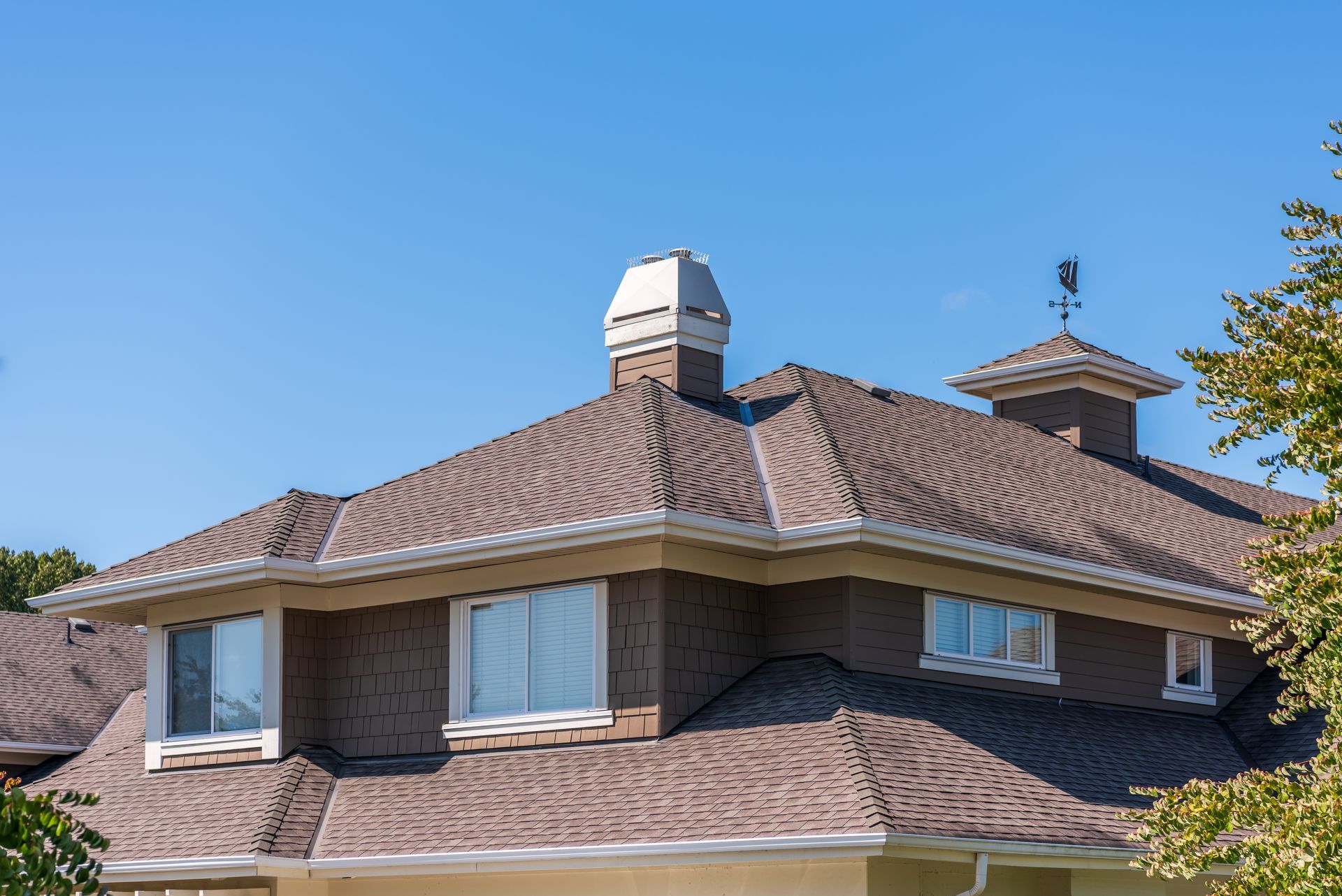
Homeowners often picture a leak as a hole punched through the middle of the shingles, but that is rarely where the trouble is. A properly installed field of shingles is very good at shedding water. Leaks almost always begin where something interrupts that surface: a pipe coming through the roof, a chimney, a skylight, a valley where two roof planes meet, or the metal flashing that seals all of those transitions.
That is why the cause of a leak and the location of the interior stain are usually two different places. Water finds the opening, runs along the underside of the decking or down a rafter, and drips through the ceiling wherever gravity finally takes it. Understanding this is the first step to figuring out what is actually going on above your head.
The Most Common Causes
Nearly every leak we find traces back to one of these culprits.
Cracked or Failed Flashing
Flashing is the thin metal that seals the joints and transitions on your roof, around chimneys, in valleys, and where the roof meets a wall. It is one of the most common leak sources of all. The sealant used with flashing can dry out and crack over the years, and wind or ice can loosen or bend the metal, opening a path for water right at the most vulnerable seams.
Damaged, Cracked, or Missing Shingles
Shingles take the brunt of the weather, and wind, hail, and falling branches can crack them, curl them, or tear them off entirely. Once a shingle is gone or split, the layers beneath it are exposed, and water works its way in. Missing shingles are one of the few causes you can often spot from the ground after a storm.
Worn Pipe Boots Around Vent Pipes
The rubber or synthetic boot that seals around plumbing vent pipes is a leak source many people never think of, yet it is one of the most frequent. These boots dry out, crack, and split with age and sun exposure, and once the seal fails, water runs straight down the pipe and into the home.
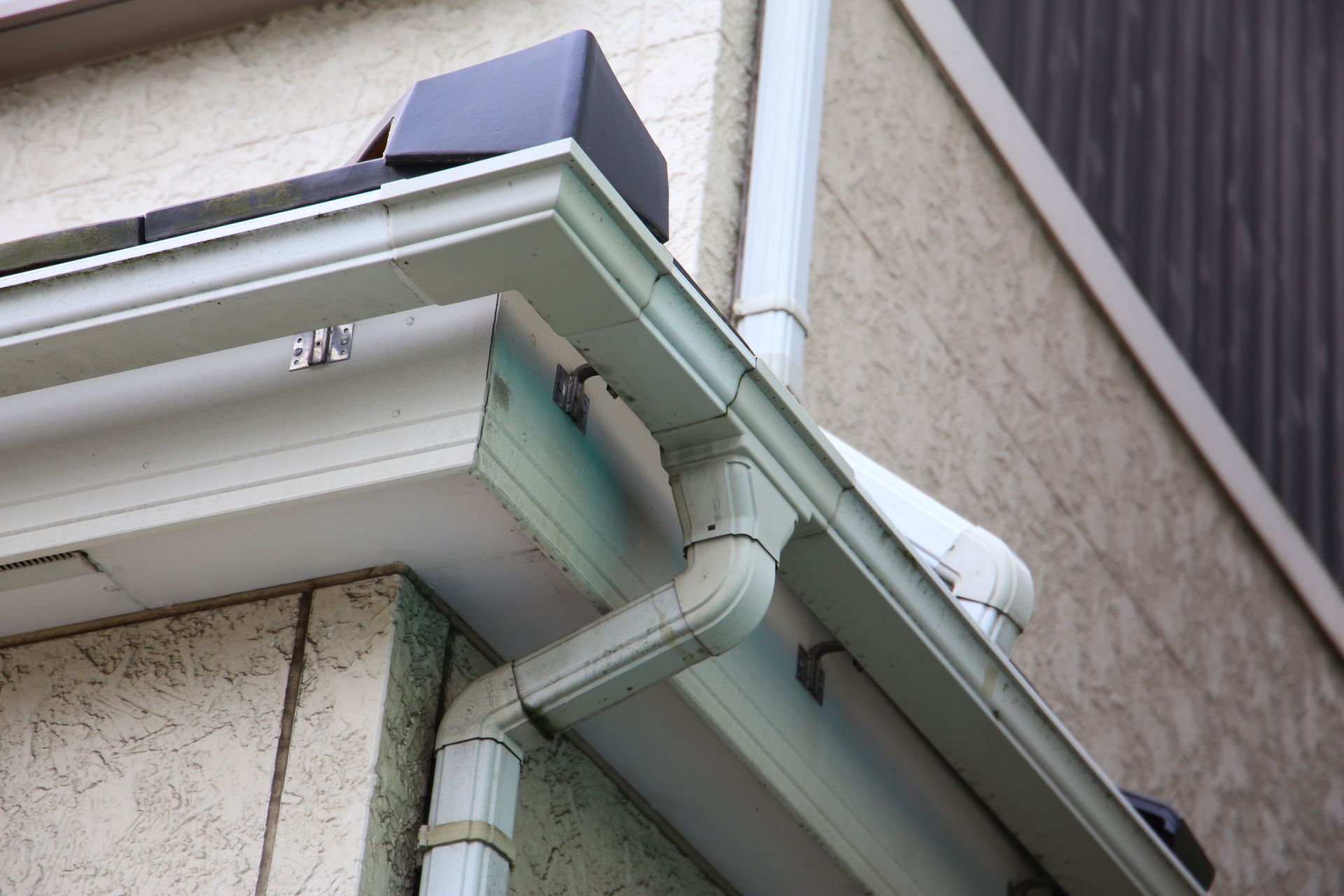
Clogged or Overflowing Gutters
Gutters are part of your roof's drainage system. When they clog with leaves and debris, water backs up, pools at the roof edge, and can be forced under the shingles instead of draining away. In Connecticut, clogged gutters also contribute directly to ice dams in winter.
Roof Vents and Skylights
Roof vents and skylights are both penetrations, and both rely on good seals and flashing. Cracked housings on vents, failed gaskets, and improperly sealed or aging skylight flashing are all common entry points, especially on skylights that were not installed correctly to begin with.
Chimney Leaks
Chimneys are a classic leak location because they involve flashing on all four sides plus the mortar and cap up top. Deteriorating flashing where the chimney meets the roof, and cracks in the masonry or crown, both let water in around this large penetration.
Improperly Sealed Valleys
A valley is where two roof slopes meet, and it channels a large volume of water. If the valley was not sealed properly or its flashing has worn, that concentrated flow finds any weakness quickly, making valleys a high-risk area for leaks.
Ice Dams and Freeze-Thaw
This is the Connecticut special. When snow melts and refreezes at the cold roof edge, it forms a ridge of ice that traps meltwater behind it. That standing water is then pushed up under the shingles, where it leaks into the home near the eaves. Repeated freeze-thaw cycles also widen small existing cracks over the winter.
Age and General Wear
Sometimes the cause is simply time. As a roof passes 20 years, asphalt shingles lose the oils that keep them flexible, granules wash away, and the whole system becomes brittle and more prone to leaks in many places at once. At that point, individual repairs start to feel like whack-a-mole.
| Common Cause | What It Looks Like | Typical Fix |
|---|---|---|
| Failed flashing | Cracked sealant, bent metal at joints | Reseal or replace flashing |
| Missing/broken shingles | Bare spots, curled or cracked shingles | Replace affected shingles |
| Worn pipe boot | Cracked rubber collar around a pipe | Replace the boot |
| Clogged gutters | Overflow, water at the roof edge | Clean gutters, fix drainage |
| Ice dams | Ice ridge at eaves, stains near walls | Address ventilation and insulation |
How CT Weather Makes It Worse
Connecticut roofs face a demanding cycle. Heavy snow adds weight and lingers, giving meltwater time to work into weak spots. Freeze-thaw swings expand and contract everything on the roof, prying open small gaps a little more with each cycle. Winter wind lifts shingles, ridge caps, and flashing, and clogged gutters full of fall debris set the stage for ice dams once the cold arrives.
None of this means a Connecticut roof is doomed to leak, but it does mean small, ignorable-looking issues in the fall can become active leaks by midwinter. A roof that shrugs off a mild climate can struggle here if it is aging or was not installed with our winters in mind, which is why local experience matters when diagnosing a leak.
How to Find the Source
Because water travels, finding the true source takes some detective work. The interior stain tells you where the water is exiting, not where it is entering. Follow the trail uphill from the stain, since water almost always runs downward and sideways along framing before it drips. Penetrations above and to the sides of the stain, vents, pipes, a chimney, a skylight, are the first suspects.
Inside, the attic is the best vantage point during or right after rain, where you may see the actual wet path on the underside of the decking. From outside, a safe visual check from the ground can reveal missing shingles or obvious flashing damage. Pinning down the exact entry point usually calls for a professional inspection, though, because the entry can be feet away from the interior evidence and hidden under intact-looking shingles.
What to Do If You Find a Leak
Acting quickly limits the damage, since water spreads into decking, insulation, and drywall fast.
- Move belongings and put a container under the drip to protect your floors.
- If the ceiling is bulging with trapped water, a small relief hole can prevent a larger collapse.
- Photograph the damage inside and out for your records and any insurance claim.
- Avoid climbing onto the roof yourself, especially when it is wet, icy, or steep.
- Call a roofing contractor to locate the source and make a proper repair.
A tarp or temporary patch can buy time in an emergency, but it is not a fix. The goal is to find the actual entry point and seal it correctly before the next storm.
Repair or Replace?
A single, isolated leak on a roof that is otherwise in good shape is usually a straightforward repair, replacing a boot, resealing flashing, or swapping a few shingles. The decision gets harder when leaks are recurring, when the roof is near the end of its lifespan, or when water has already reached and rotted the decking.
Widespread granule loss, multiple leaks in different areas, and an aging roof all point toward replacement being the smarter long-term investment, since patching a worn-out roof rarely holds. Our guide on
roof repair vs. replacement walks through how to weigh this, and a professional inspection removes the guesswork.
How to Prevent Leaks
Most leaks are far cheaper to prevent than to repair after the fact. A few habits go a long way.
- Have your roof professionally inspected regularly, and after major storms.
- Keep gutters clean so water drains away instead of backing up.
- Address missing shingles and cracked flashing promptly, before water finds them.
- Make sure your attic is properly ventilated and insulated to reduce ice dams.
- Trim overhanging branches that can damage shingles and drop debris.
Catching a small issue in the fall often prevents a major leak in January, which is the whole point of staying ahead of it.
How Much Does Roof Leak Repair Cost?
Cost is the natural next question, and while every leak is different, some general ranges help set expectations. A minor, straightforward repair, resealing a section of flashing, replacing a cracked pipe boot, or swapping a few shingles, often falls somewhere in the range of a few hundred dollars. More involved repairs, such as reworking chimney flashing, fixing a valley, or addressing damage that has spread into the decking, commonly run higher, into the four figures, depending on access and the extent of the water damage.
The variables that move the price are the location and cause of the leak, how difficult the area is to reach, the number of stories, and whether water has already rotted decking or insulation that must be replaced along with the visible fix. The costliest scenario is almost always the one where a small leak was ignored until it became structural, which is the strongest argument for acting early. A proper inspection identifies the true cause and gives you an accurate, itemized number rather than a guess.
Get Ahead of a Roof Leak in Connecticut
Whether you already see a stain on the ceiling or just want peace of mind before winter, finding the source early is what keeps a small leak from becoming a major repair. Our team knows Connecticut roofs and the weather that tests them.
Call Best Way Roofing at (203) 527-8149 or schedule a
free roof inspection. You can also learn more about our
roof repair services.
Frequently Asked Questions
Frequently Asked Questions
Frequently Asked Questions
Frequently Asked Questions
What is the most common cause of a roof leak?
Flashing problems are among the most common causes, since the sealant around chimneys, valleys, and wall joints cracks and corrodes over time. Worn pipe boots around vent pipes and damaged or missing shingles are close behind. Most leaks start at these interruptions in the roof surface rather than in the open field of shingles, which is why the seals around penetrations are usually the first place to check.
Why is my ceiling stain not directly under the roof damage?
Because water travels before it drips. Once water gets past the roof surface, it runs along the underside of the decking or down a rafter until gravity pulls it through the ceiling, often several feet from where it actually entered. This is why finding a leak takes tracing the path uphill from the stain, and why the true source is frequently hidden under shingles that look perfectly intact.
Can a roof leak be fixed without replacing the whole roof?
Often, yes. A single leak on a roof that is otherwise in good condition is usually a targeted repair, replacing a pipe boot, resealing flashing, or swapping damaged shingles. Replacement becomes the better option when leaks are recurring, the roof is near the end of its life, or water has already rotted the decking. A professional inspection is the reliable way to tell which situation you are in.
How do ice dams cause roof leaks in Connecticut?
Ice dams form when snow on the roof melts, runs down to the colder eaves, and refreezes into a ridge of ice. That ice traps meltwater behind it, and the standing water gets pushed up under the shingles, where it leaks into the home near the roof edge and exterior walls. Good attic ventilation, insulation, and clean gutters are the main defenses against them in our climate.
How can I tell if my roof is leaking before I see a stain?
Early signs often show up in the attic first: damp insulation, water marks on the underside of the decking, a musty smell, or visible daylight through roof boards. Outside, missing or curled shingles, granules collecting in gutters, and cracked flashing are warning signs. Catching these before an interior stain appears means addressing the problem before water has spread into the structure of your home.
Recent Posts