

What Is Roof Decking? What Homeowners Need to Know
Roof decking, also called roof sheathing, is the layer of wood boards or panels nailed to your rafters or trusses that everything else on the roof is attached to. Underlayment, ice and water barrier, and shingles all sit on top of it. Most Connecticut homes built in recent decades have plywood or OSB decking, while many older homes have solid wood planks. Healthy decking gives the roof its strength and a solid surface for nailing shingles. Rotted, delaminated, or soft decking has to be replaced during a roof replacement, or the new shingles will not hold or lie flat.
Best Way Roofing is a Wolcott-based roofing contractor led by owner Luis Aguayza, registered under Connecticut HIC #0634957, and a GAF Master Elite contractor recognized with GAF's 2026 President's Club award. We are also Owens Corning Preferred and back our roofs with a 15-year workmanship warranty. Every roof we tear off exposes the decking underneath, and this guide explains what we look for and why it matters to your project and your price.
In This Guide
- What Roof Decking Does: Its role in the roof system.
- Types of Roof Decking: Plywood, OSB, and planks.
- Signs Your Roof Decking Is Damaged: What to look for.
- What Damages Roof Decking: Leaks, ventilation, and age.
- Decking During a Roof Replacement: What happens after tear-off.
- Older Connecticut Homes With Plank Decking: Gaps, planks, and overlays.
- Can Decking Be Repaired Without a New Roof?: Small repairs vs. replacement.
- What Decking Replacement Costs: How it is priced.
- Decking and Your Roof Warranty: Why the base matters.
- Frequently Asked Questions: Quick answers.
What Roof Decking Does
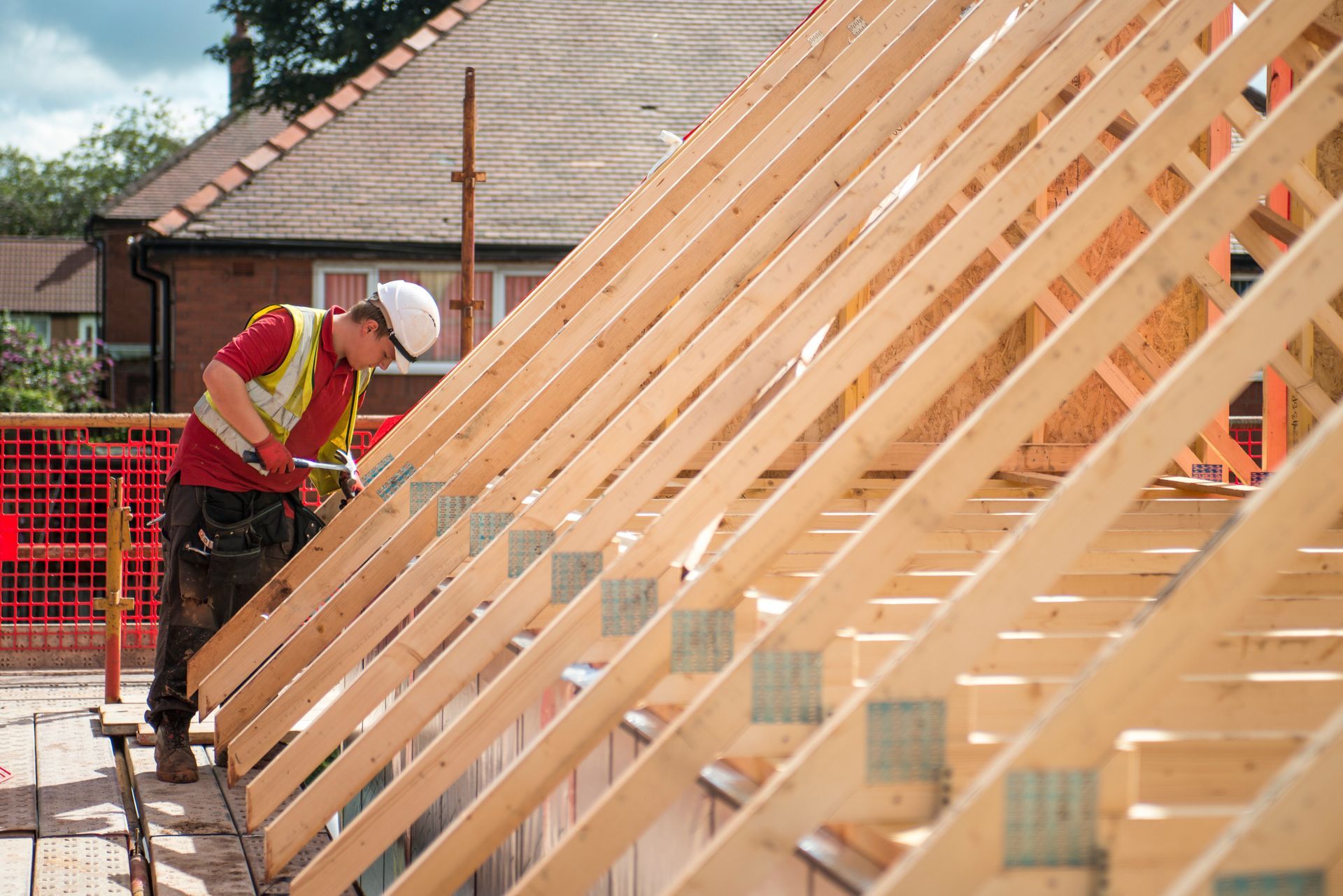
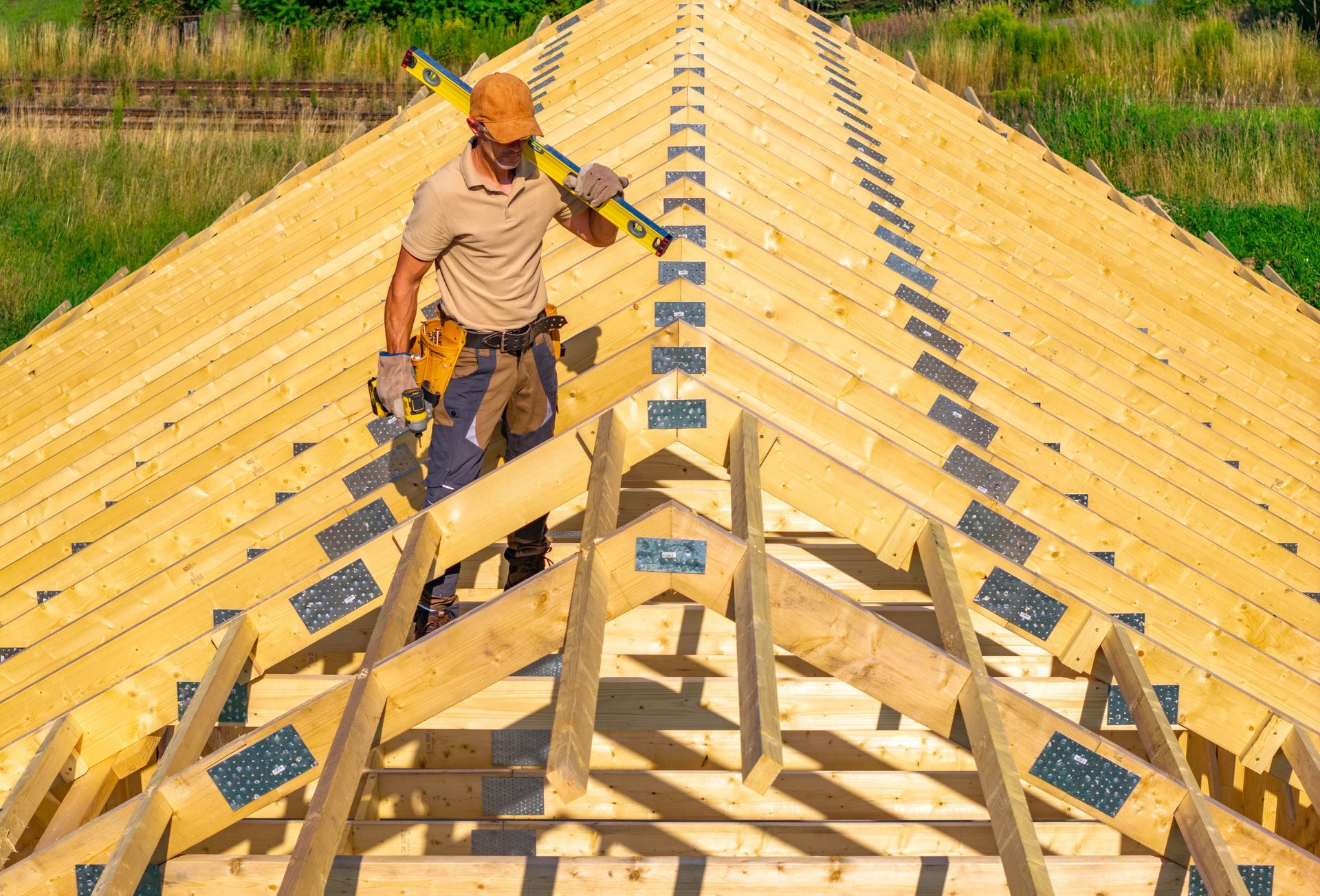
Decking is the structural surface of your roof. It connects the framing to the waterproofing layers on top.
It Supports the Roof
Decking spreads the weight of shingles, snow, and people walking on the roof across the rafters or trusses. It also stiffens the roof frame, helping the structure resist wind.
It Holds the Fasteners
Every shingle is nailed into the decking. Sound wood grips nails tightly. Soft, rotted, or delaminated wood does not, which can lead to shingles lifting or blowing off in high winds.
It Creates a Flat Surface
Shingles conform to whatever is under them. Warped or uneven decking shows through as waves and dips in the finished roof and can create spots where water does not shed properly.
Types of Roof Decking
Connecticut homes typically have one of three decking types.
| Decking Type | Where You Find It | What to Know |
|---|---|---|
| Plywood | Many homes from the mid-1900s on | Strong, holds nails well, handles moisture reasonably well |
| OSB (oriented strand board) | Most newer homes and replacements | Cost effective and consistent, but swells if it stays wet |
| Solid wood planks | Many older homes, often pre-1960s | Durable boards, sometimes with gaps between them |
Plywood
Plywood is made from thin layers of wood glued together with alternating grain. It is strong and holds fasteners well. It was the standard sheathing on many Connecticut homes built through the 1970s and 1980s. When it gets wet repeatedly, layers can separate, which is called delamination.
OSB
OSB is made from compressed wood strands and resin. It is widely used for new decking because it is consistent and economical. OSB performs well when kept dry but can swell at the edges if exposed to prolonged moisture. Swollen OSB edges often telegraph through new shingles as a visible ridge line.
Plank Decking
Many older Connecticut homes have decking made of individual boards. Planks can be very durable, but gaps between boards and uneven surfaces can affect how a new roof is installed. Old boards are often harder and denser than modern lumber, which is a plus when they are still sound.
Thickness
Decking thickness depends on rafter or truss spacing and local code. A thicker panel provides a stiffer surface and better nail holding. Your roofer should match or improve on what the structure requires.
Signs Your Roof Decking Is Damaged
You often cannot see the decking itself until the roof is torn off, but these signs suggest problems underneath:
- A sagging roofline or dips between rafters visible from the ground.
- Soft or spongy spots when someone walks on the roof.
- Water stains or dark spots on the underside of the decking in the attic.
- Daylight visible through the roof boards from the attic.
- Mold or mildew on the decking or rafters.
- Shingles that will not lie flat or keep lifting in the same area.
- Frost or wet decking in the attic during winter, a sign of condensation.
If you notice any of these, a roof inspection can tell you whether the decking is involved. Our
roof inspection checklist covers what a thorough inspection includes.
What Damages Roof Decking
Decking is usually damaged by water, either from outside or from inside the house.
Roof Leaks
Leaks at flashing, pipe boots, valleys, and damaged shingles let water reach the decking. A slow leak can soak the same spot for years before a ceiling stain appears. Our guide to common roof leak causes explains where most leaks start.
Poor Attic Ventilation
Warm, moist air from the house rises into the attic. Without enough ventilation, that moisture condenses on the cold underside of the decking in winter. Over time, this can cause mold, delamination, and rot from the inside. Our guide on why roof ventilation matters covers the warning signs.
Ice Dams
Ice dams push melted snow back up under shingles at the eaves, where it can soak the lower edge of the decking. The eaves are one of the most common places we find rotted decking on Connecticut homes. That is also why codes in cold climates call for an ice barrier membrane along the eaves, which protects the decking from water that backs up under the shingles.
Age and Previous Overlays
Decking that has carried two layers of shingles, or that was installed decades ago, may be weakened by repeated nailing and long-term moisture exposure. Every reroof adds another round of nail holes, and older decking near the eaves and rakes often shows it.
Decking During a Roof Replacement
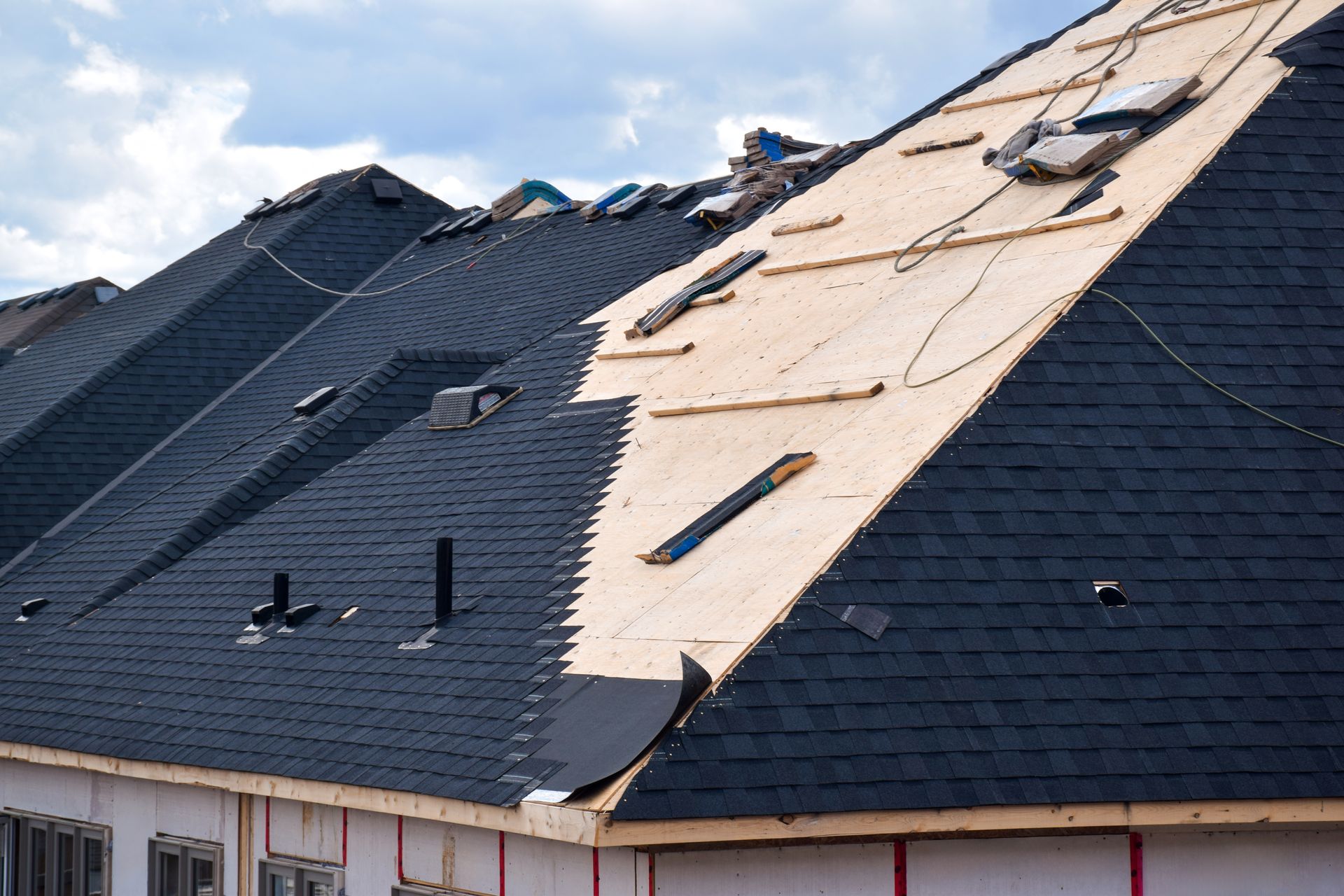
The decking is fully exposed once the old shingles and underlayment are removed. This is the only time it can be properly inspected and repaired.
What We Check After Tear-Off
Our crew walks the roof and looks for soft spots, rot, delamination, cracked boards, and loose or popped nails. We pay extra attention to the eaves, valleys, around chimneys, and under old leaks.
What Happens to Damaged Sections
Damaged sheets or boards are cut out and replaced with new decking of the right thickness. Loose decking is re-nailed. Once the decking is sound, underlayment, ice and water barrier, and shingles go on. Our guide to how long a roof replacement takes explains where this step fits in the timeline.
Fastening and Spacing
New decking panels are fastened to the framing with the correct nail type and spacing, and a small gap is left between panels so the wood can expand without buckling. On wider rafter spacing, metal clips between panel edges help keep the surface flat and stiff.
Why Tear-Off Matters
Installing new shingles over an old roof hides the decking. Any rot underneath stays there and keeps getting worse. A full tear-off is the only way to know the decking is sound. Learn more about our
roof replacement services.
Older Connecticut Homes With Plank Decking
Many homes in Waterbury, Naugatuck, Torrington, and other older Connecticut towns still have their original board decking.
Gaps Between Boards
Some older homes were built with spaced boards, originally intended for wood shingles that needed airflow underneath. Asphalt shingles need a solid surface, so gaps that are too wide must be addressed.
When an Overlay Makes Sense
In some cases, the best approach is to install new plywood or OSB over the existing planks to create a smooth, solid surface. This is done when the planks are structurally sound but too uneven or gapped for modern shingles.
Mixed Decking
Additions and past repairs often leave a roof with a mix of planks, plywood, and OSB. A good roofer evaluates each area rather than assuming the whole roof is the same.
Can Decking Be Repaired Without a New Roof?
Sometimes, yes. It depends on how much is damaged and how old the roof is.
Small Areas
If a leak has damaged a small section of decking under an otherwise healthy roof, the shingles in that area can be removed, the damaged decking cut out and replaced, and the area reroofed with matching shingles. Fixing the source of the leak, such as a failed pipe boot or flashing, is part of the repair. Learn more about our roof repair services.
Widespread Damage
If decking problems show up in several areas, or the roof is near the end of its life, patching usually is not worth it. Replacing the roof lets every section of decking be inspected and corrected at once. Our guide on roof repair vs. replacement explains how to weigh the decision.
After a Storm
Fallen limbs can crack decking or break rafters underneath. Storm damage to decking is often covered by homeowners insurance when it results from a sudden event. Our team documents this damage for claims as part of our
storm damage services.
What Decking Replacement Costs
Decking repair is usually priced separately from the base cost of a roof replacement, because no one can see how much is needed until the old roof comes off.
How It Is Priced
Most contractors price decking replacement per sheet of plywood or OSB, or per linear foot for plank boards. A written estimate should state that price up front so there are no surprises.
How Much Is Typical
Some roofs need no decking at all. Others need a few sheets near the eaves or around a chimney. Roofs with long-term leaks or ventilation problems may need large sections replaced. Our guide to new roof cost factors explains how decking fits into the total price.
Ask Before You Sign
Ask your contractor how decking repairs will be priced and how you will be informed if replacement is needed. We photograph damaged decking before replacing it, so homeowners can see exactly what was found and why. Our guide on
questions to ask a roofer before you sign includes this and other important questions.
Decking and Your Roof Warranty
A roof is only as strong as what it is attached to.
Manufacturer Requirements
Shingle manufacturers require installation over a suitable, sound deck. Shingles installed over damaged or inadequate decking may not perform as designed and can raise warranty questions.
System Warranties
As a GAF Master Elite contractor, we can offer enhanced GAF system warranties on qualifying roofs. These warranties assume a properly prepared roof deck as part of a complete installation. Learn more on our
warranty information page.
Get Your Roof and Decking Checked
If you are seeing sagging, attic stains, or soft spots, or you are planning a roof replacement, our team can inspect your roof and explain what is happening underneath. Schedule a free roof inspection, read our customer reviews, or ask about financing.
Call Best Way Roofing at (203) 527-8149 or
contact us. We are based at 102 Wolcott Road in Wolcott and serve homeowners throughout Central Connecticut.
Frequently Asked Questions
Frequently Asked Questions
Frequently Asked Questions
Frequently Asked Questions
What is roof decking made of?
Most roof decking is plywood or OSB panels, though many older homes have solid wood plank boards. The decking is nailed to the rafters or trusses and forms the base for the underlayment and shingles.
Is roof decking replaced with a new roof?
Only the sections that are damaged. During a roof replacement, the old roofing is removed and the decking is inspected. Rotted, soft, or delaminated areas are replaced, and the rest is re-nailed as needed.
How do I know if my roof decking is bad?
Signs include a sagging roofline, soft spots when walking on the roof, water stains or mold on the underside of the decking in the attic, and shingles that will not lie flat. A full inspection during tear-off gives the clearest answer.
Is plywood or OSB better for roof decking?
Both are widely used and meet code when installed correctly. Plywood holds up slightly better to repeated moisture, while OSB is consistent and economical. Good ventilation and a well-installed roof matter more than the panel type.
Can you put a new roof over old decking?
Yes, if the decking is sound. Damaged areas must be replaced first. On older homes with gapped plank decking, a new layer of plywood or OSB may be installed over the boards to create a solid surface.
Recent Posts