

When Should You Replace Your Gutters? Key Warning Signs
You should replace your gutters when they show repeated leaks, cracks or splits, sagging or pulling away from the house, rust and corrosion, peeling exterior paint, or pooling water near the foundation. A few isolated issues can often be repaired, but when several signs appear together or keep coming back, replacement is the smarter long-term fix. Most aluminum gutters last around 20 years, so age matters too.
At Best Way Roofing LLC, we install and replace roofing and gutter systems across central Connecticut, from Waterbury and Bristol to Southington, Cheshire, and Meriden. As a GAF Master Elite President's Club contractor, part of the top one percent of roofers nationally, we treat gutters as part of a healthy roof system, so the warning signs below come from what we see protect or damage homes here every season.
Start with the warning signs, then see how to tell repair from replacement.
In This Guide
- The warning signs at a glance: Every red flag in one place.
- Sign severity at a glance: How urgent each sign is.
- Damage you can see on the gutters: Cracks, sagging, rust, and separation.
- Damage that shows up elsewhere: Paint, siding, and foundation clues.
- Age and how long gutters last: When time alone is the answer.
- Repair or replace?: How to make the call.
- Why gutters matter for your roof: The bigger picture in Connecticut.
- Frequently asked questions: Quick answers to common questions.
The Warning Signs at a Glance
Before the details, here are the signs that your gutters may be due for replacement. Any one on its own may be repairable, but several together point to replacement.
The Replacement Red Flags
- Cracks, splits, or holes in the gutter channels.
- Sagging or gutters pulling away from the fascia.
- Rust, corrosion, or flaking on metal gutters.
- Peeling exterior paint or rust streaks below the gutters.
- Water pooling near the foundation after rain.
- Frequent leaks that keep returning after repairs.
- Separated seams or gaps at the joints.
If you are checking off several of these, especially on gutters that are already old, replacement usually makes more sense than another round of repairs.
Sign Severity at a Glance
This table shows how urgent each sign is and whether it typically points to repair or replacement.
| Warning Sign | Urgency | Repair or Replace |
|---|---|---|
| A single leaky seam | Low | Usually repair |
| Loose or sagging section | Moderate | Repair if isolated |
| Widespread cracks or holes | High | Replace |
| Rust and corrosion | High | Replace |
| Peeling paint or rust streaks | Moderate | Investigate, often replace |
| Water pooling at foundation | High | Act quickly |
Use this as a quick gut check, but remember that age and how many signs appear together matter as much as any single item on the list.
Damage You Can See on the Gutters
The most obvious signs are on the gutters themselves. A close look, ideally from a ladder or from the ground with binoculars, reveals most problems, and a good time to check is right after a heavy rain when leaks and overflow points are easy to spot.
Cracks, Splits, and Holes
Small cracks may seem minor, but they grow with every freeze-thaw cycle and rainstorm. Once water escapes through cracks or holes, it drips behind the gutter and onto the fascia and foundation instead of draining safely away.
A few tiny cracks can sometimes be sealed, but widespread cracking signals that the material is failing and will keep splitting. At that point, patching is a losing battle.
Cracks tend to start small and hide in the bottom of the channel or along the back edge where you cannot easily see them. If you notice water dripping from the underside of a gutter during rain, that is often the first clue that cracks or pinholes have formed even before they are visible from below.
Sagging and Separation
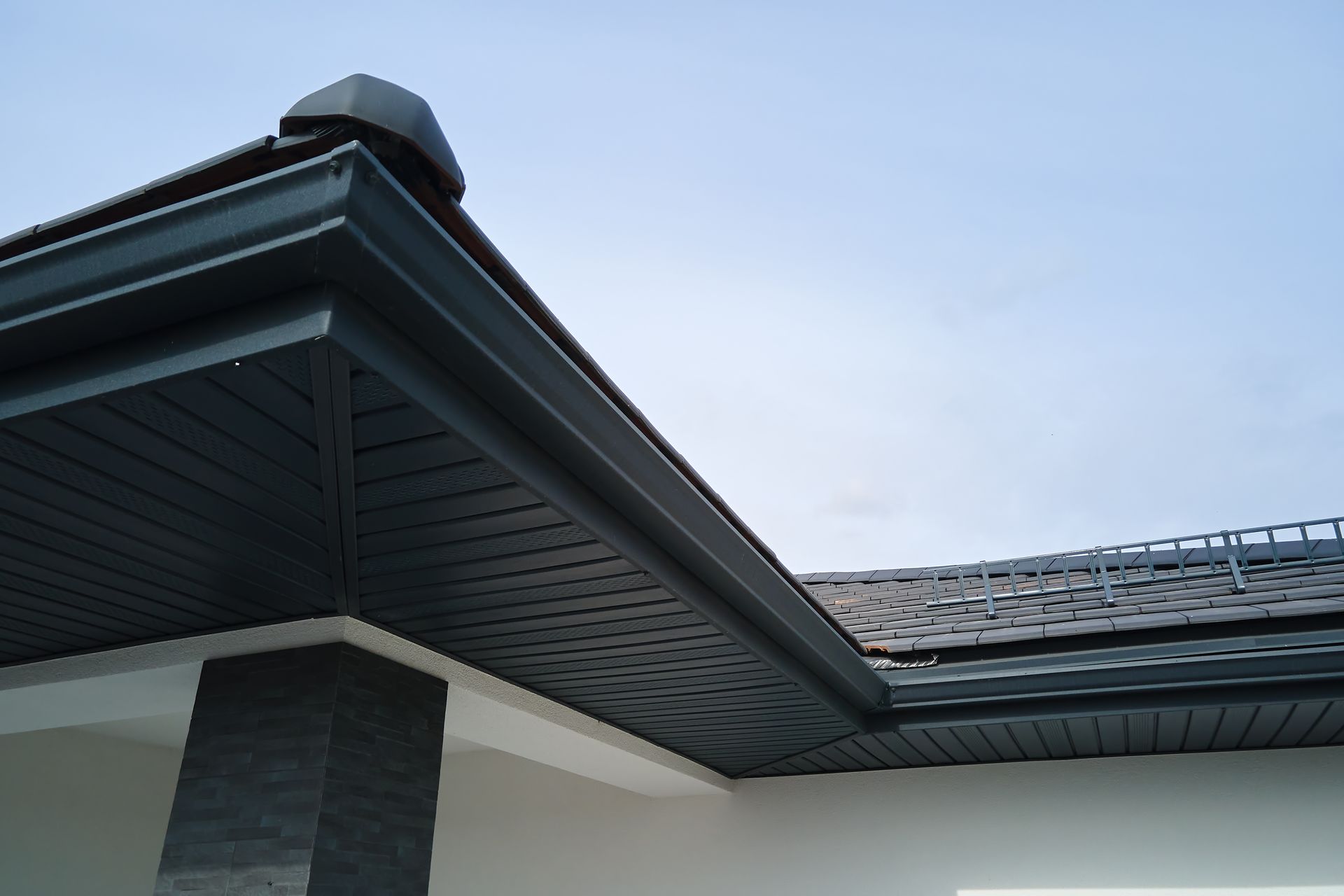
Gutters should sit tight against the fascia with a slight, consistent slope toward the downspouts. When you see sagging sections, gaps behind the gutter, or pieces pulling away, the system is no longer draining or attaching correctly.
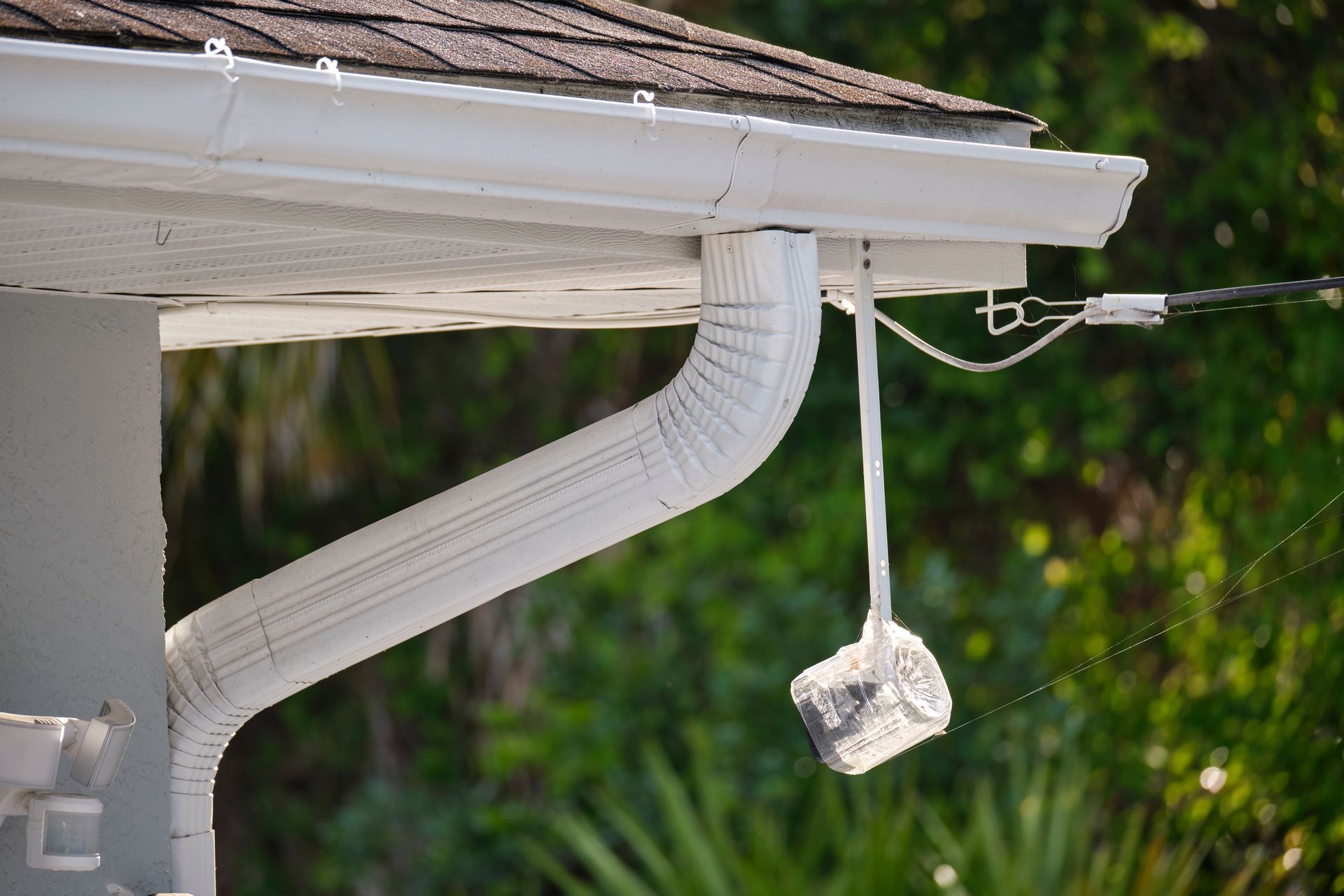
Sagging often means the fasteners have failed or the gutters are heavy with trapped water and debris. Separated seams let water leak at every joint, which is a common problem in older sectional systems.
Sagging also feeds on itself. Once a section droops, water and debris collect at the low point, adding weight that pulls the gutter down further and speeds up the failure. Catching a sag early, while it is still one loose bracket, is the difference between a quick repair and replacing a full run.
Rust and Corrosion
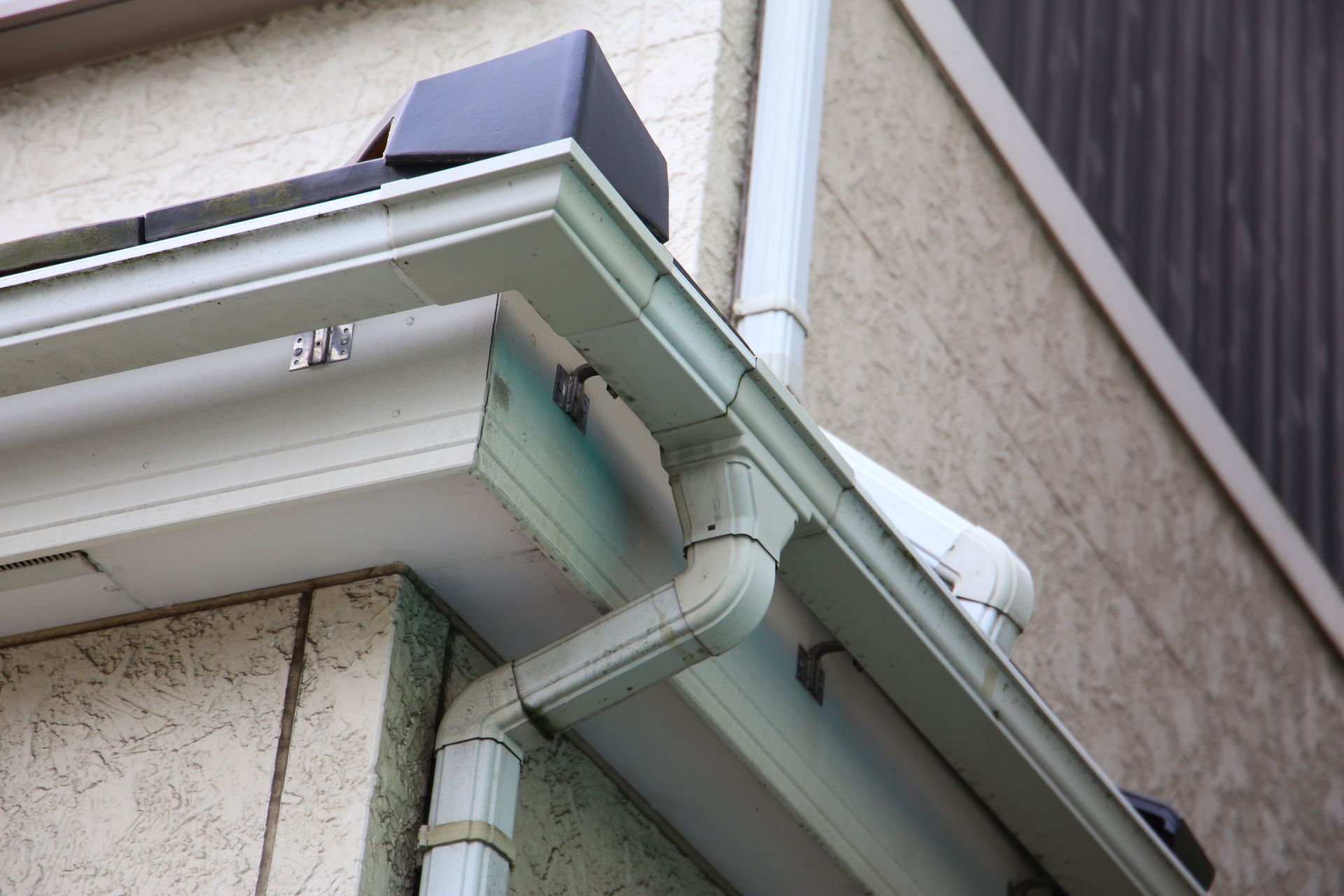
On metal gutters, rust and corrosion are clear signs of age and wear. Once rust takes hold, it spreads and eats through the metal, creating the holes and leaks that undermine the whole system.
Flaking, orange staining, and pitting all point to a system near the end of its life. Rust rarely stays isolated, so widespread corrosion is a strong replacement signal.
Aluminum gutters do not rust the way steel does, but they can still corrode and develop white oxidation and pitting over the years. Either way, once the metal itself is breaking down rather than just needing a cleaning, sealing or patching only buys a little time before the next hole appears.
Damage That Shows Up Elsewhere
Some of the most telling signs are not on the gutters at all. When gutters fail, the evidence appears on the surfaces they are supposed to protect.
Peeling Paint and Stained Siding
Gutters that overflow or leak send water down the exterior of your home. Peeling paint, rust streaks, and stained or warped siding beneath the gutters are signs that water is escaping where it should not.
If your paint keeps failing in the same spots under the gutters, the gutters are usually the cause. This is an easy sign to spot from the ground.
Left unaddressed, this same water works its way behind the siding and into the wood trim and sheathing, where it causes rot that is far more expensive to repair than the gutters themselves. Discoloration and soft or warped fascia boards behind the gutter are a sign the problem has already moved beyond the surface.
Pooling Water and Foundation Clues
The whole point of gutters is to carry water away from the foundation. When you see water pooling near the base of the house, eroded landscaping, or moisture in the basement, the gutters may not be doing their job.
These foundation clues are the most serious, since water against the foundation can lead to expensive structural problems over time. Gutters that cause this are worth addressing quickly.
Look also for eroded mulch or soil, small trenches in the landscaping directly below the gutter line, and any dampness or staining on basement walls. These all trace back to water that should have been carried away by working gutters and downspouts but instead spilled straight down beside the house.
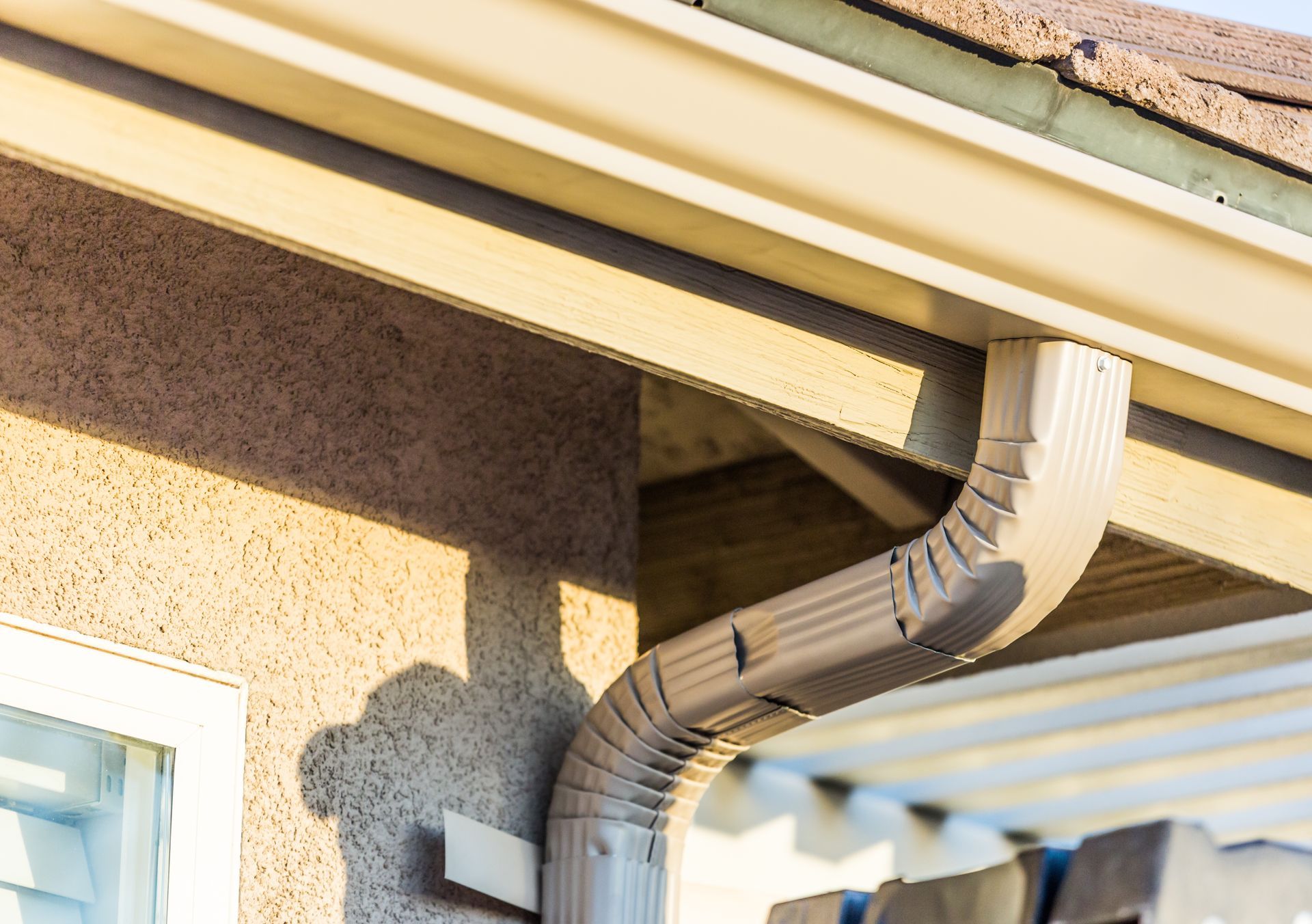
Age and How Long Gutters Last
Sometimes the answer is simply time. Even well-maintained gutters wear out, and age is a legitimate reason to plan a replacement.
Typical Gutter Lifespan
Most aluminum gutters last around 20 years, while galvanized steel is similar and copper can last far longer. If your gutters are approaching or past that range, small problems are more likely to multiply into bigger ones.
Knowing the age of your gutters helps you plan. A 25-year-old system showing several warning signs is usually better replaced than repeatedly patched.
Maintenance history matters too. Gutters that were cleaned regularly and kept draining can reach or exceed their expected lifespan, while neglected ones that stayed clogged and heavy with debris often fail years early. If you inherited the gutters when you bought the home and do not know their age or history, a professional can estimate their remaining life during an inspection.
When Age Tips the Decision
Age on its own is not always a reason to replace, but combined with warning signs it usually is. Older gutters that leak, sag, or rust are telling you they have reached the end of their service life and are living on borrowed time.
Replacing aging gutters proactively, before they fail during a heavy storm, saves the water damage that comes with a sudden failure.
It also lets you replace on your own schedule rather than in an emergency. A planned replacement on a dry fall day is a very different experience, and often a better price, than scrambling to fix gutters that gave way in the middle of a winter storm.
Repair or Replace?
Not every gutter problem means full replacement. The key is weighing the extent of the damage against the age and overall condition of the system.
When Repair Makes Sense
A localized problem on an otherwise sound, relatively young system is often worth repairing. A single leaky seam, a loose bracket, or one damaged section can usually be fixed without replacing everything.
- One or two isolated leaks on newer gutters.
- A loose section that can be refastened.
- Minor damage from a specific storm or impact.
In these cases, a targeted repair restores the system without the cost of full replacement. The key is that the rest of the gutters are still sound, so you are fixing an exception rather than treating the first of many failures to come.
When Replacement Makes Sense
When problems are widespread, recurring, or paired with age, replacement is the better investment. Repeatedly repairing a failing system usually costs more over time than replacing it once.
If several warning signs appear together, or the same problems keep returning after repairs, it is time to replace. This mirrors how we approach roofs, as we cover in our guide on roof repair vs replacement.
Replacement is also the moment to consider upgrading. Moving from older sectional gutters to seamless ones, or sizing up to larger capacity if your roof sheds a lot of water, can solve chronic problems that repairs never fully fixed. If you are already replacing the roof, doing the gutters at the same time is the most efficient path.
Why Gutters Matter for Your Roof
Gutters are easy to overlook, but they are a critical part of the system that protects your roof, walls, and foundation from water. In Connecticut, that job is especially demanding.
The Connecticut Climate Factor
Our heavy rain, snow, and repeated freeze-thaw cycles put constant stress on gutters. Water that backs up in a failing gutter freezes, expands, and contributes to ice dams that push water under the roof edge.
Well-functioning gutters are part of preventing that damage, which is why we look at them alongside the roof during any free roof inspection. Healthy gutters protect the roof, and a healthy roof protects the home.
If you like to stay ahead of problems, running through a seasonal roof inspection checklist that includes the gutters is a good habit. Catching a small gutter issue during a routine check is far cheaper than discovering it after water has already reached the fascia or foundation.
Part of a Complete System
Gutters, roof, and ventilation all work together. When one part fails, the others often suffer, so keeping the gutters in good shape protects the larger investment.
If your gutters are failing, it is worth having the roof edge and fascia checked at the same time. Our gutter services and roofing team can assess the whole system together, so nothing gets missed.
Treating the roof, gutters, and ventilation as one connected system is how you avoid the surprise repairs that come from fixing one piece while another quietly fails. A whole-system look gives you a clear picture and a plan rather than a series of one-off patches.
Ready to Assess Your Gutters?
Replacing gutters at the right time protects your roof, siding, and foundation from water damage that costs far more to fix. When you see cracks, sagging, rust, peeling paint, or pooling water, especially on older gutters, it is time to take a serious look.
At Best Way Roofing LLC, we help central Connecticut homeowners decide when to repair and when to replace, as part of caring for the whole roof system. When you are ready,
reach out for an assessment or learn more about our
gutter services. We will give you a straight recommendation based on your gutters' actual condition.
Frequently Asked Questions
Frequently Asked Questions
Frequently Asked Questions
Frequently Asked Questions
How long do gutters usually last?
Most aluminum gutters last around 20 years, galvanized steel is similar, and copper can last much longer. Regular cleaning and maintenance extend their life, while neglect and harsh weather shorten it.
Can I just repair my gutters instead of replacing them?
Often yes, if the damage is isolated and the gutters are relatively new and otherwise sound. When problems are widespread, keep recurring, or the gutters are old, replacement is usually the better long-term value.
What are the first signs that gutters need replacing?
Common early signs include cracks or splits, sagging sections, separated seams, and peeling paint or rust streaks on the exterior below the gutters. Water pooling near the foundation is a more serious sign to act on quickly.
Do failing gutters really affect my roof?
Yes. Gutters that back up or leak let water collect at the roof edge, where it can contribute to ice dams and force moisture under the shingles. Healthy gutters are an important part of protecting the roof, especially in Connecticut winters.
Should I replace the gutters and roof at the same time?
If both are aging or you are already replacing the roof, doing them together is often more efficient and ensures the new gutters match a fresh roof edge. A professional inspection can tell you whether the timing lines up for your home.
Recent Posts