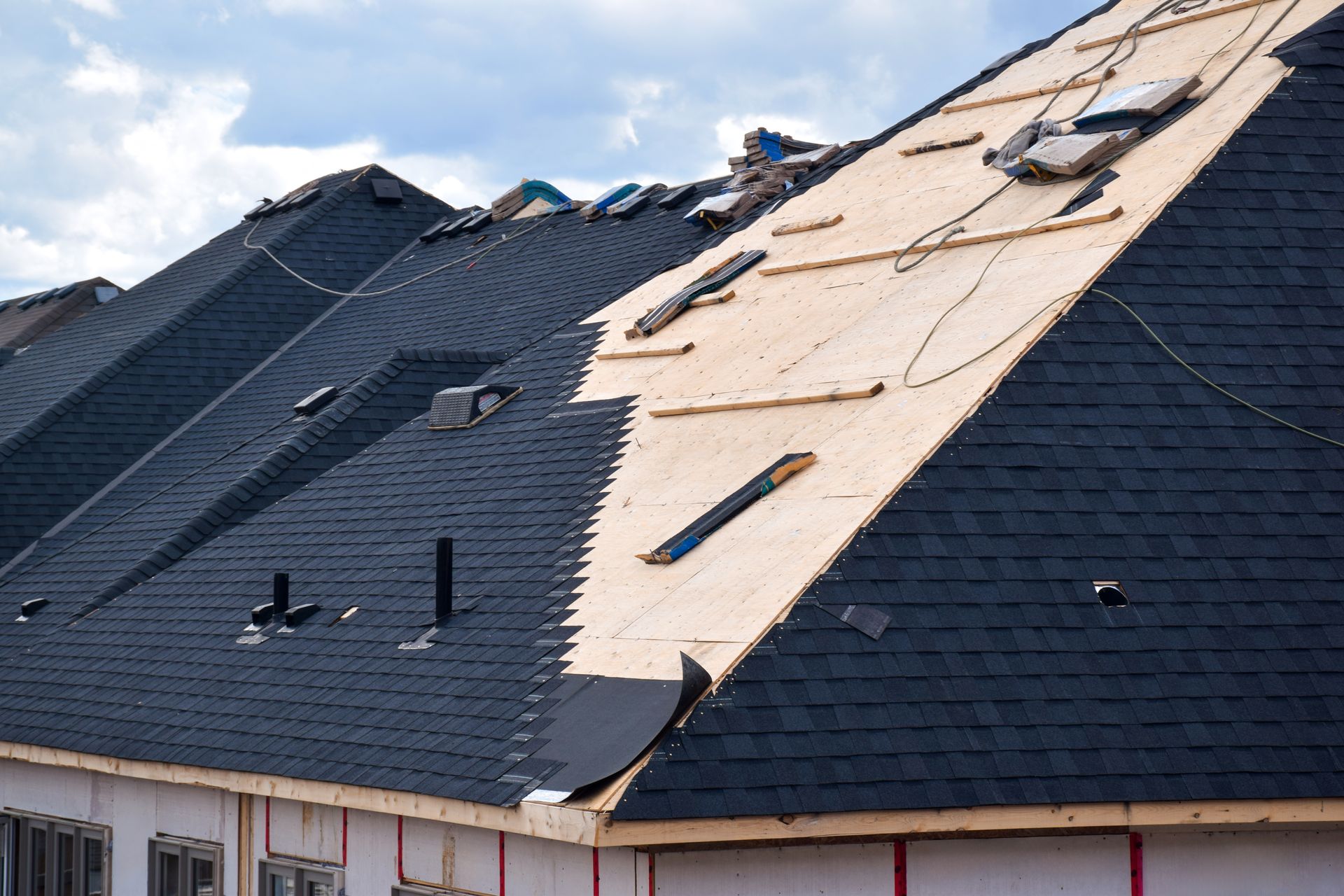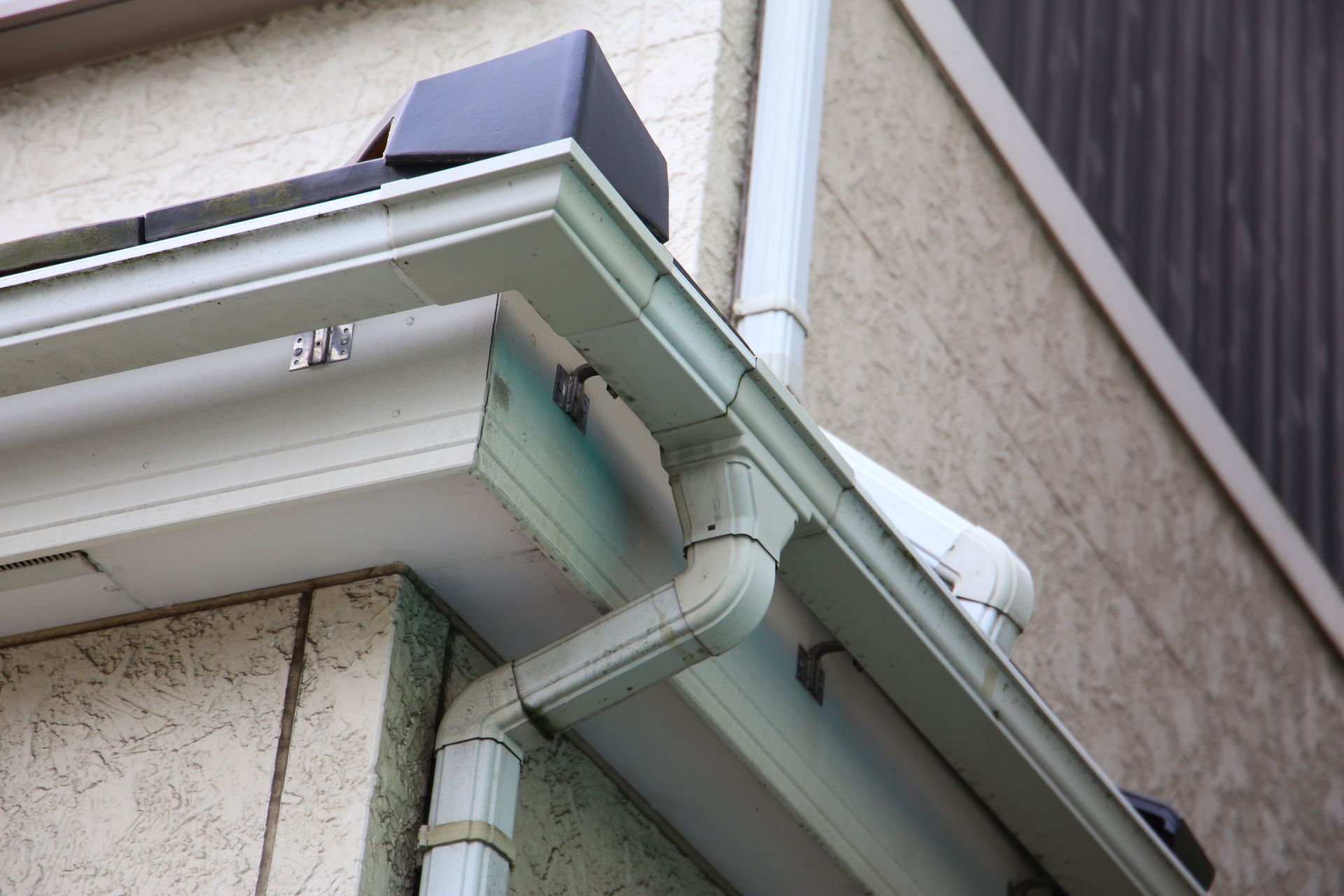


Why Roof Ventilation Matters (And Signs Yours Is Failing)
After years of working on Connecticut roofs, our team has learned that one of the most overlooked parts of a healthy roofing system is also one of the most important: ventilation. We've inspected attics that felt like saunas in July and found ice dams in January caused entirely by airflow problems most homeowners never see. The truth is, even a brand-new roof can fail early if the ventilation underneath it isn't doing its job. The good news is that ventilation problems are usually fixable once you know what to look for.
This guide walks you through everything you need to know about roof ventilation. We'll cover why it matters, the warning signs of a failing system, what causes ventilation problems, and how a roofer fixes them so your home stays comfortable and your roof lasts longer.
What Roof Ventilation Actually Does for Your Home
Roof ventilation is the system that lets air move in and out of your attic. Cool air enters through intake vents near the bottom of the roof, and warm air exits through exhaust vents near the top. When this airflow works the way it should, your home stays cooler, drier, and healthier.
How Air Moves Through a Properly Vented Attic
A well-vented attic uses a balanced system. Air flows in through soffit vents under the eaves, rises naturally as it warms, and exits through ridge or roof vents at the peak. This constant cycle keeps the attic close to the outdoor temperature instead of trapping heat and moisture inside.
The Connection Between Ventilation and Your Roofing System
Your shingles, roof deck, and underlayment all rely on a stable attic environment. When heat and moisture get trapped, shingles age faster, wood rots, and insulation loses its R-value. Ventilation isn't a small detail. It's a core part of how the whole roofing system stays healthy.
Why Connecticut Weather Makes Ventilation Even More Important
Connecticut homes face two ventilation challenges that milder climates don't. In summer, attic temperatures can climb well over 140 degrees. In winter, warm indoor air rises into the attic and meets the cold roof deck, creating condensation and ice dams. A balanced ventilation system handles both extremes year-round.
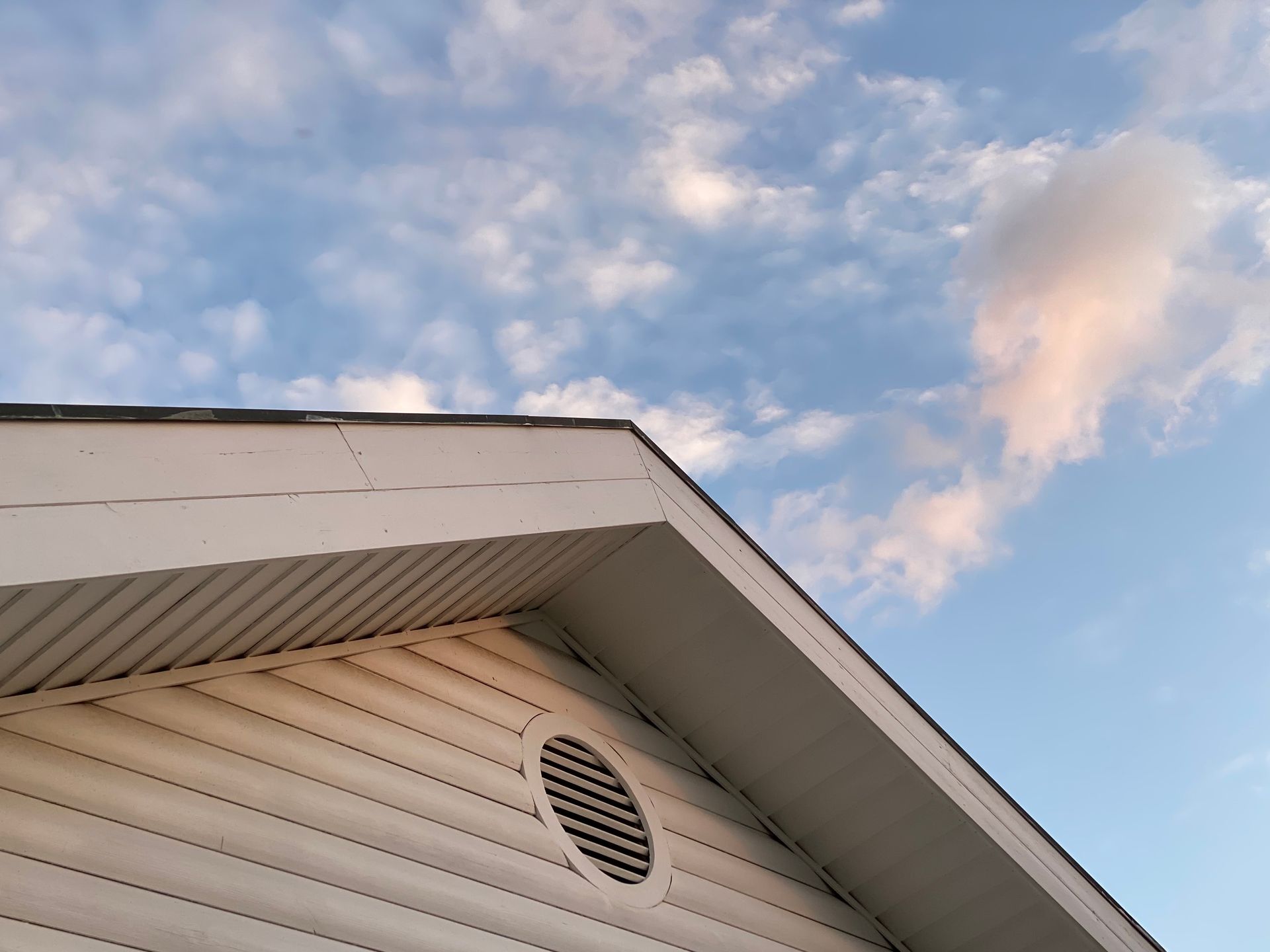
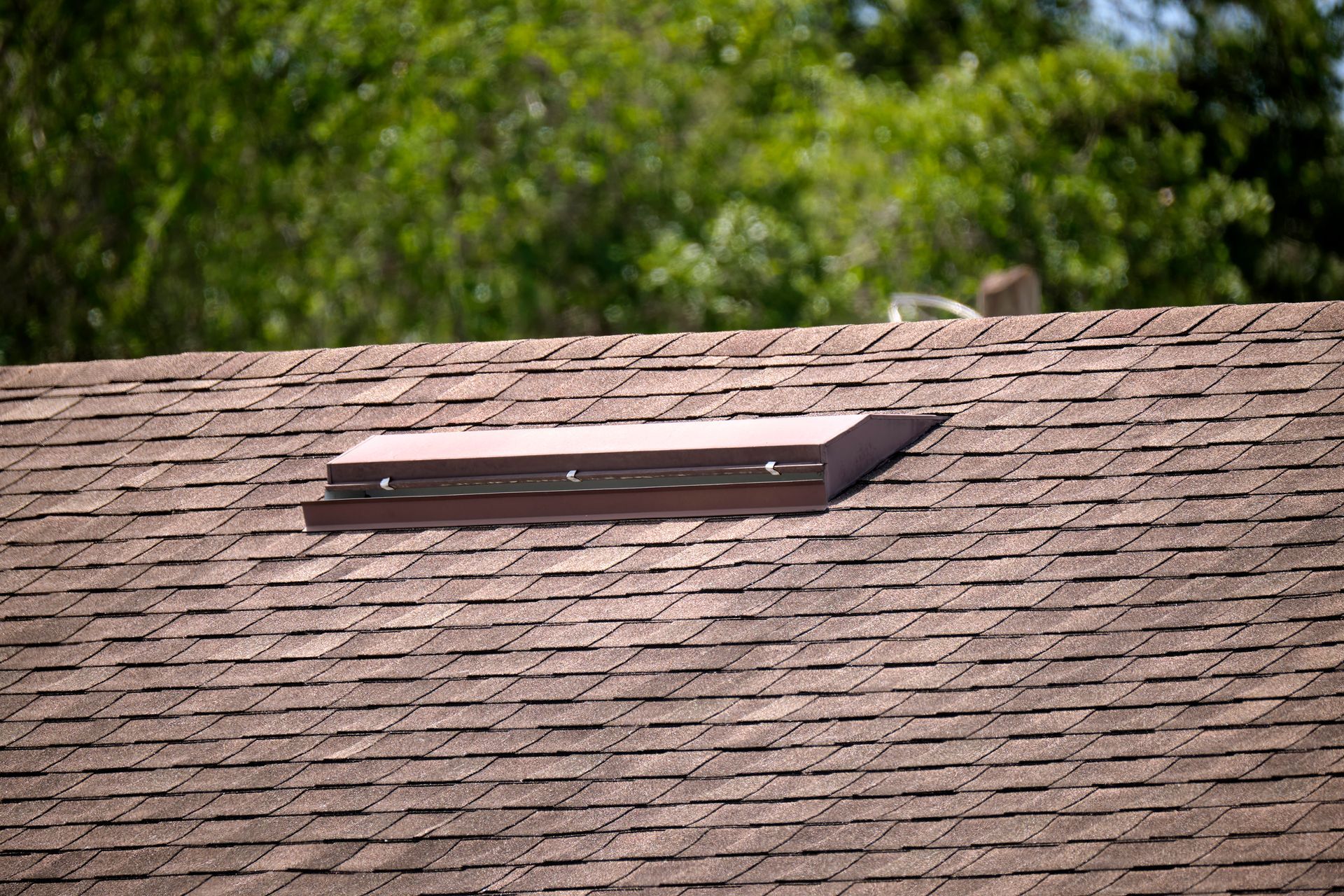
Signs Your Roof Ventilation Is Failing
Most homeowners don't think about ventilation until something goes wrong. The signs are easy to miss because they show up in places you don't usually check. Here are the warning signs that point to a ventilation problem:
- Upstairs rooms feel much hotter than the rest of the house
- Energy bills keep climbing without a clear reason
- Ice dams form along the eaves every winter
- The attic smells musty or feels damp
- Shingles look curled, cracked, or worn before their time
- Mold or dark stains appear on attic wood or insulation
Let's break down what each of these signs really means.
Hot Upstairs Rooms and Rising Energy Bills
If your second floor feels like an oven in the summer, your attic is likely holding onto heat it should be releasing. Your air conditioner then runs longer to keep up, which drives up your cooling costs. Higher energy bills are often the first sign that ventilation isn't keeping pace.
Ice Dams in Winter
Ice dams form when warm attic air melts snow on the roof, the water runs down to the cold edges, and refreezes. Without proper ventilation, your attic stays too warm and this cycle repeats with every snowfall. Ice dams can force water under shingles and into your home.
Moisture, Mold, and Musty Attic Smells
A healthy attic should smell like wood and feel close to the outside temperature. If you notice damp wood, mildew smells, or visible mold, moisture is being trapped. Over time, this damages insulation, framing, and your roof deck.
Premature Shingle Damage
Asphalt shingles are designed to release heat from below. When attic temperatures rise too high, that heat bakes the shingles from the inside out. You may notice curling edges, cracks, or large patches of granule loss long before the shingles should have worn out.
Mold or Dark Stains on Attic Wood
Dark streaks across rafters or sheathing usually mean moisture has been sitting in the attic for a long time. This is one of the clearest signs that intake or exhaust vents aren't doing their job.
What Causes Roof Ventilation Problems
Ventilation issues rarely happen by accident. They almost always come from one of a few common causes.
Too Few Intake or Exhaust Vents
Many older homes simply don't have enough vents to handle the airflow the attic needs. A balanced system requires both intake and exhaust working together. If one side is short, the whole system underperforms.
Blocked Soffit Vents
Soffit vents are easy to block without realizing it. Insulation pushed too close to the eaves, paint buildup, bird nests, or debris can all cut off the airflow your attic depends on.
Improperly Placed or Mixed Vent Types
Mixing different exhaust vents on the same roof, like a ridge vent and a powered fan, can short-circuit the system. Instead of pulling air from the soffits, the vents end up pulling air from each other. This leaves dead spots where heat and moisture build up.
Insulation That Blocks Airflow
Insulation is important, but it has to be installed correctly. When insulation covers soffit vents or sits directly against the roof deck, it stops air from moving. Baffles, also called rafter vents, keep airflow open while still letting insulation do its job.
How Roof Ventilation Affects Your Energy Bills
Ventilation doesn't just protect your roof. It directly affects how much you pay to heat and cool your home.
| Season | What Happens Without Ventilation | What Happens With Proper Ventilation |
|---|---|---|
| Summer | Attic traps heat, AC runs nonstop | Attic stays cooler, AC cycles normally |
| Winter | Warm air rises, causes condensation and ice dams | Balanced airflow prevents moisture buildup |
| Year-Round | Insulation loses effectiveness | Insulation works as designed |
| Year-Round | Higher monthly energy costs | Lower, more predictable bills |
Why Hot Attics Drive Up Cooling Costs
A hot attic radiates heat down into your living spaces. Your air conditioner then has to fight that heat, which means longer run times and higher bills. Proper ventilation cuts that heat load before it ever reaches your ceiling.
How Trapped Moisture Hurts Insulation
Insulation only works when it's dry. Trapped moisture from poor ventilation causes insulation to compress, clump, and lose its ability to slow heat transfer. Once insulation gets wet, replacing it is usually the only fix.
How Poor Ventilation Damages Your Roof Over Time
Ventilation problems often cause damage you can't see until it's serious. Here's what happens behind the scenes when airflow fails.
Heat Damage to Shingles and Roof Deck
When attic temperatures stay above 140 degrees for hours at a time, shingles dry out from below and the roof deck weakens. Roofs in poorly vented homes often need roof replacement years earlier than they should.
Moisture Damage to Framing and Insulation
Warm, humid air with nowhere to go condenses on cold surfaces in the attic. Over months and years, this leads to wood rot, soaked insulation, and the perfect conditions for mold to spread.
Evaluating Overall Roof Performance
Even premium roofing materials lose value when ventilation fails. A licensed roofer can evaluate how well your current system is performing and identify weak spots before they turn into expensive repairs.
How Roof Ventilation Problems Are Fixed
The good news is that most ventilation problems have clear solutions. Here are the most common fixes a professional roofer will recommend.
Adding or Upgrading Soffit Vents
If your home doesn't have enough intake airflow, soffit vents are usually the first step. Adding new vents or replacing clogged ones gives fresh air a clear path into the attic.
Installing Ridge Vent Systems
Ridge vents run along the peak of the roof and provide continuous exhaust along the entire length. They blend in visually and work passively, making them one of the most effective ventilation upgrades available.
Improving Attic Insulation and Air Sealing
Sometimes the fix isn't more vents but better insulation. Sealing air leaks between the living space and the attic stops warm, moist air from escaping upward in the first place.
Correcting Improper Vent Placement
If your roof mixes incompatible vent types, a roofer can rework the system so all the components support each other. This often makes a dramatic difference in attic temperature and moisture levels.
When to Have Your Roof Ventilation Inspected
You don't have to wait for visible problems to check on your ventilation. There are clear moments when an inspection makes sense.
After a Roof Replacement
A new roof is the perfect time to confirm your ventilation is balanced. A good contractor will check intake and exhaust before installing the new roofing system.
If Your Energy Bills Suddenly Increase
A surprise jump in your heating or cooling costs often points to attic issues. Ventilation, insulation, and air sealing should all be checked together.
When You Notice Moisture or Mold Problems
Mold and mildew are signals that your attic environment is out of balance. The sooner you address ventilation, the less likely you'll need expensive structural repairs.
Before Major Roofing Damage Develops
If your roof is approaching the 10-year mark or you've spotted early warning signs, an inspection now can prevent major damage later. Our roof inspection checklist can help you spot small issues before they grow.
Why Proper Roof Ventilation Protects Your Investment
Your roof is one of the biggest investments in your home. Ventilation is what keeps that investment healthy for the long haul.
Creating a Healthier Home Environment
Balanced ventilation reduces indoor humidity, helps prevent mold, and improves overall air quality. That matters for everyone in the home, especially people with allergies or asthma.
Protecting Roofing Materials Long-Term
Shingles, underlayment, and decking last longer when the attic stays cool and dry. Many shingle warranties even require proper ventilation to remain valid.
Preventing Expensive Future Repairs
Ventilation upgrades cost a small fraction of what a premature roof replacement or major moisture repair would. Addressing airflow now protects you from far bigger bills later.
Get a Clear Look at Your Roof Ventilation From a Local Expert
The honest truth is that ventilation problems are almost impossible to diagnose from the ground. The real story is in the attic, and most homeowners only find out something is wrong when damage has already started.
If your upstairs feels too warm, your energy bills are climbing, or you've spotted moisture in the attic, the best next step is a professional inspection. Our team at Best Way Roofing has helped Connecticut homeowners solve ventilation issues for years, and we explain what we find in plain language so you can make a confident decision.
Schedule a free roof inspection today and find out exactly what your roof and attic need to stay healthy for the long haul.
Frequently Asked Questions
How do I know if my attic has enough ventilation?
The standard rule is one square foot of ventilation for every 300 square feet of attic space, split evenly between intake and exhaust. A roofer can confirm whether your home meets that ratio and whether the vents are positioned correctly.
Can I add roof ventilation to an existing roof without replacing it?
Yes, in most cases. Soffit vents, ridge vents, and baffles can all be added without a full roof replacement. The right approach depends on your current setup and what type of vents you already have.
Will better ventilation really make my house cooler in the summer?
Yes. A properly vented attic can run 30 to 50 degrees cooler than an unvented one on a hot day. That difference takes a real load off your air conditioner and can lower upstairs temperatures noticeably.
Does roof ventilation help prevent ice dams in winter?
It plays a major role. Ice dams form when attic heat melts snow unevenly. Good ventilation keeps the attic close to the outdoor temperature, which stops the melt-and-refreeze cycle that causes ice dams.
How long does a roof ventilation upgrade take?
Most ventilation upgrades take less than a day. Adding ridge vents during a roof replacement is straightforward, and adding or unblocking soffit vents can usually be completed in a few hours.
Recent Posts